

Puerto Rico Marina
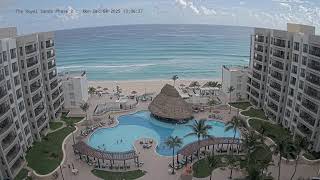
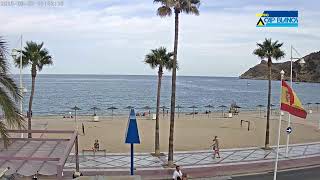
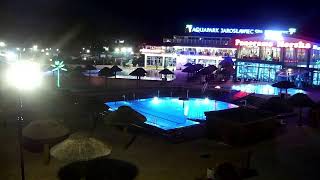
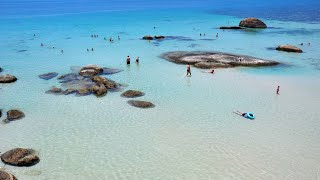
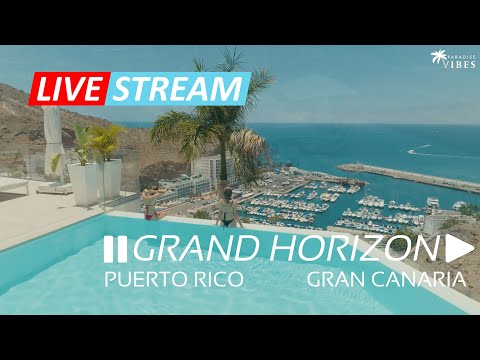
From the elevated vantage point of the Grand Horizon Luxury Boutique Resort, this live webcam showcases an immersive panorama of Puerto Rico on Gran Canaria’s sun-kissed southwest coast. Gaze over the shimmering marina, where vibrant cafés and boutiques line the waterfront, and watch the gentle waves lap against golden sands at Playa de Puerto Rico. Tucked between two bustling harbours, this sheltered beach is ideal for both relaxation and water sports.
Mogán, Las Palmas, Spain
 ES
ES- Mogan, Las Palmas
Mogán is a town and municipality located in the southwestern part of Gran Canaria, one of the three main islands comprising the Province of Las Palmas within the Canary Islands of Spain. It serves as an administrative division covering a significant portion of the island's southern region. The municipality is situated on the Atlantic coastline, with its administrative center positioned inland, providing a distinct geographical separation between the coastal resorts and the historic town.
The area holds historical significance through several designated heritage sites that reflect its cultural past. Three archaeological locations are listed as Property of cultural interest, including the Cats' ravine at the mouth of the Mogan ravine, the valley of the Sea declared in 2005, and Veneguera's Cogolla in the north-west. Additionally, Mogan's windmill, known as molino quemado de Mogán, has been listed as an ethnological heritage site since 2002.
The municipality is characterized by a string of tourist resorts along its coast and includes notable fishing towns such as Puerto de Mogán and Arguineguín. The main settlements encompass Arguineguín, Cornisa del Suroeste, the town of Mogán, Playa de Mogán, Puerto de Mogán, and Puerto Rico. Much of the population resides on the Atlantic coastline, while the inland town of Mogán lies approximately eight kilometers from the sea.
Visitor appeal is driven by the coastal resorts and the municipality's status as a key destination in Gran Canaria. The area features a mix of archaeological zones and ethnological sites that offer insight into local history. The presence of Puerto Rico de Gran Canaria, located eleven kilometers north, and the GC-1 motorway passing through the south facilitate access to these tourist-heavy zones and the broader island infrastructure.
The municipality covers an area of 172.44 square kilometers and is the second largest by area on the island. While a 2013 census recorded a population of 21,782, verified data indicates a population of 21,172 as of 2025. The economy is supported by tourism, with the GC-1 motorway providing essential transport links to Las Palmas, located forty kilometers to the north-east.
 The EARF Engine