








Praia de Candeias (2)
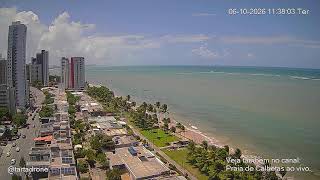
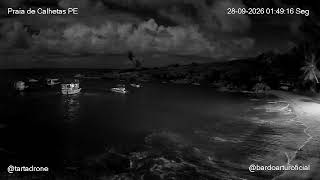
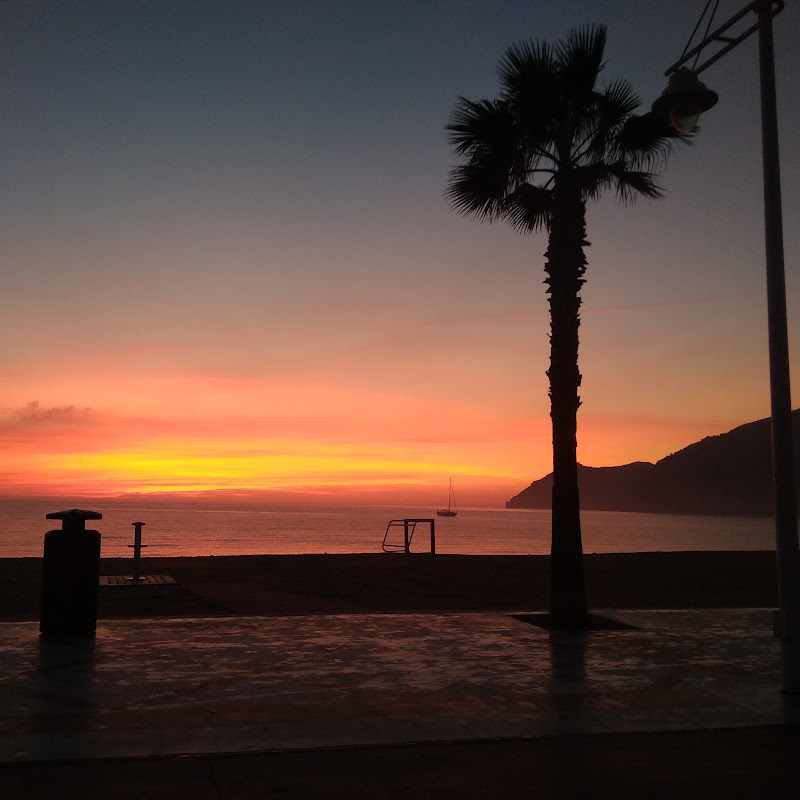
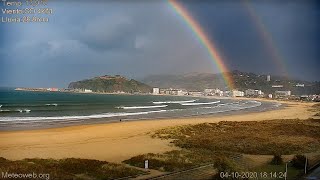
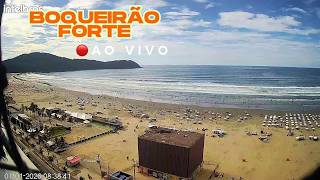
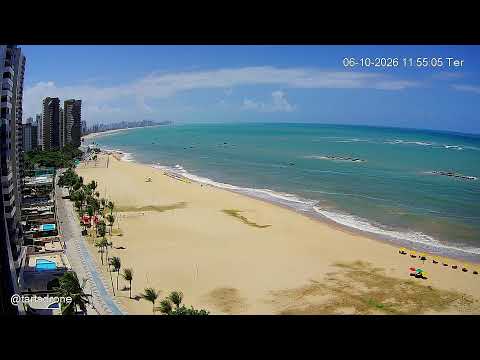
This live stream provides a view of Praia de Candeias in Jaboatão dos Guararapes, Pernambuco, Brazil. The camera looks across the beach and Atlantic Ocean, capturing the sandy shoreline, waves and activity along the waterfront in real time. Praia de Candeias forms part of the coastal area south of Recife, with a broad urban beachfront backed by residential buildings, hotels and businesses. The beach is a popular local recreation area, with people using the shoreline and waterfront throughout the day. The live view captures changing conditions along the coast, including wave activity, beachgoers and the movement of clouds over the Atlantic. Weather, tides and daylight naturally alter the appearance of the beach throughout the day.
Jaboatão dos Guararapes, Pernambuco, Brazil
 BR
BR- Jaboatao
- Jaboatao dos Guarapes
Jaboatão dos Guararapes is a city located in the state of Pernambuco, Brazil, situated just south of Recife within the Recife metropolitan area. It serves as a significant industrial hub for the region, hosting major multinational corporations such as Unilever and Coca-Cola. The municipality is bordered by Recife to the north, Cabo de Santo Agostinho to the south, and Mangue forests in Moreno to the west, with the Atlantic Ocean forming its eastern boundary.
The city was founded on 4 May 1593 by Bento Luiz Figueira, who was the third owner of Engenho São João Baptista. It gained historical prominence as the site of the Second Battle of Guararapes, a pivotal conflict where forces from Pernambuco defeated and expelled the Dutch, an event that contributed to the creation of the Brazilian Army. The settlement ascended to village status in 1873 and achieved city status in 1884 after separating from Olinda.
Geographically, the city lies at an elevation of 76 meters with a hot tropical and humid climate averaging 28 degrees Celsius annually. It features three urban beaches: Piedade, Candeias, and Barra de Jangada. The landscape includes Atlantic forest, mangroves, and sugarcane fields, drained by small coastal rivers such as the Jaboatão, Gurjaú, and Jordão. The area is also noted for the unclassified extinct Arapoá language spoken in its vicinity.
Visitor appeal is driven by its coastal geography and industrial heritage, with tourism playing a key role in the local economy alongside commerce and transportation. The city offers access to its urban beaches and is connected via major roads including BR 101, BR 232, and BR-408. The presence of the Recife Metro facilitates travel, while the area's vegetation and coastal rivers provide natural attractions for those exploring the region.
The population was recorded at 684,293 as of 2025, making it the second most populous city in Pernambuco and the 27th in Brazil. Previous estimates from 2020 placed the population at 706,867, while a 2009 estimate stood at 687,688. The economy relies heavily on tourism, commerce, the beverage industry, and transportation, supported by a network of avenues and roads that integrate it into the broader Recife metropolitan infrastructure.
 The EARF Engine