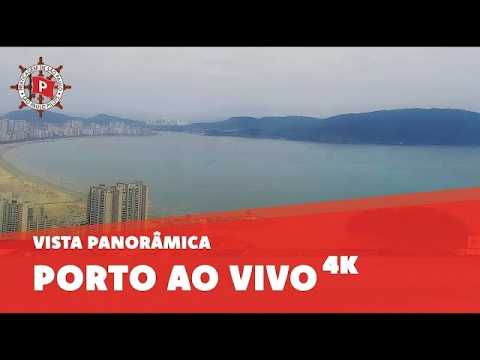
Live stream unavailable
This camera is offline or temporarily unavailable. It may be under maintenance, having technical trouble, or it may have been removed by the provider. Listings are monitored continuously and this page updates when the stream returns.


Guarujá Coast
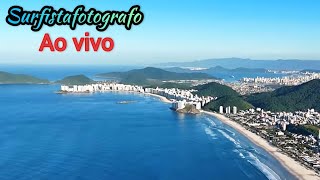
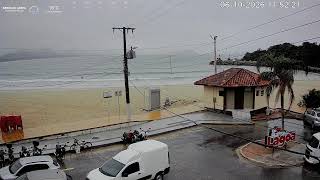
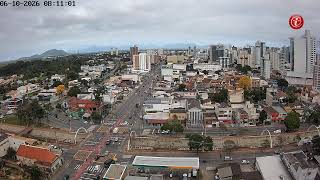
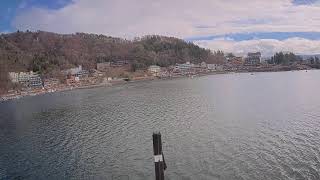
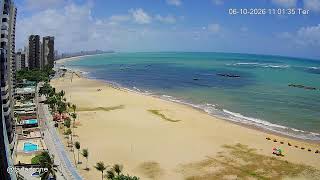
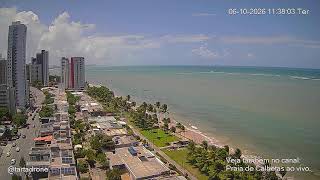
This live stream provides a panoramic coastal view of Guarujá, showing the shoreline, Ilha das Palmas and the surrounding Atlantic coastline from an elevated vantage point. The camera captures real-time ocean conditions, weather changes and movement along the beachfront and nearby cityscape.
Guarujá, São Paulo, Brazil
 BR
BR- Guarujá, Brazil
- Guarujá, São Paulo
Guarujá is a municipality located in the São Paulo state of Brazil, situated within the Metropolitan Region of the Baixada Santista. It occupies the entirety of Santo Amaro Island, which lies across the river from São Vicente Island, with the exception of small offshore isles like Ilha dos Arvoredos. The city serves as a significant urban core and beachfront destination, forming part of the broader metropolitan area centered in Santos.
The municipality corresponds to the large island that remained largely unexplored during colonial and imperial times. In the late nineteenth century, ambitious development transformed Guarujá into a resort town for wealthy residents of São Paulo, leading to its establishment as a full municipality in 1947. The name derives from the Tupi language, meaning narrow path, or potentially from the guaruçá crab.
The city is defined by its twenty-seven beaches, including popular spots like Pitangueiras, Astúrias, Enseada, and Tombo, which stretch along avenues and urban zones. Notable landmarks include the historic Andradas Fort, built in the sixteenth century, and the Forte Velho. The central area features blue waters and kiosks, while the island's geography supports both tranquil bathing areas and surf spots.
Tourism is the primary economic driver, attracting families from São Paulo who visit for seasonal leisure and nightlife. The city offers diverse attractions ranging from the Acqua Mundo water park to the Teatro Municipal Procópio Ferreira. Its reputation as a holiday destination has grown due to its accessibility and relative cleanliness compared to neighboring coastal cities, drawing visitors year-round.
The population is 294,871 as of 2025. The economy relies heavily on seasonal tourism and port-related activities linked to the Port of Santos. Access is facilitated by the Imigrantes highway, with travel times under an hour from São Paulo, and the city is served by the Santos Air Force Base and a planned civil aerodrome.
 The EARF Engine