
Ponta Negra beach
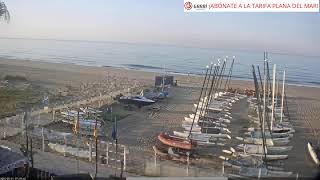
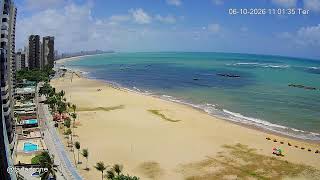
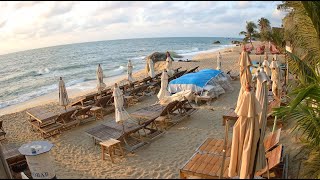
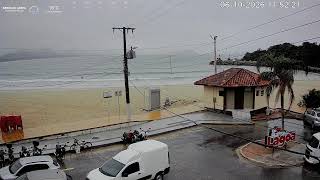
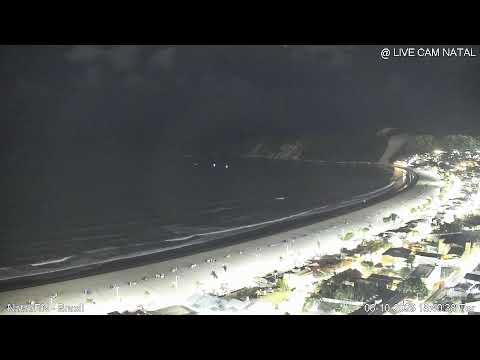
This live HD webcam offers a panoramic view of Ponta Negra Beach, a renowned urban beach located in the southern part of Natal, the capital of Rio Grande do Norte, Brazil. Stretching approximately 4 kilometers, the beach is famed for its golden sands, warm waters, and the iconic Morro do Careca—a large dune at its southern end that serves as a city landmark. The area is a vibrant hub for both locals and tourists, featuring a plethora of restaurants, bars, and shops along its promenade, making it an ideal spot for relaxation and entertainment.
Natal, Rio Grande do Norte, Brazil
 BR
BR- New Amsterdam, New Holland
Natal serves as the capital municipality of the Brazilian state of Rio Grande do Norte, situated within the Northeast Region of Brazil. Located on the Atlantic coast near the "corner of South America," it lies approximately 2,227 kilometers from Brasília, the federal capital. The city covers an area of roughly 167 square kilometers, making it the second smallest state capital in Brazil by land area. Its strategic coastal position has historically defined its administrative and geographic significance within the nation.
Founded on Christmas Day in 1599 on the banks of the Potengi River, the city was named Natal, meaning Christmas in Portuguese. It was occupied by the Dutch between 1633 and 1654, during which period it was renamed New Amsterdam. Following the expulsion of the Dutch, the city regained its original name. Growth remained slow for three centuries until intense modernization began in the 20th century, accelerated significantly by World War II and subsequent population booms in the 1970s and 1980s.
The municipality is divided into distinct districts, including the affluent South with Ponta Negra beach, the East containing the Historical Center and Forte dos Reis Magos, the industrial North, and the West housing the intercity bus terminal. Natal became known as the "Space Capital of Brazil" due to the nearby Barreira do Inferno Launch Center. The Via Costeira coastal highway connects major beaches, while historical landmarks like the Fortress of the Three Wise Men and the Church of Saint Anthony define its architectural heritage.
Natal is regarded as a calmer alternative to other Northeastern capitals, offering superior quality of life and serving as a base for exploring state beaches like Pipa and Genipabu. The city attracts visitors with its sunny tropical climate and pleasant trade winds, avoiding the extremes found elsewhere. It hosts significant historical sites and nature areas, drawing both domestic tourists and foreigners who maintain summer houses there, supported by numerous lodging options and reasonably priced dining establishments.
The municipality had a population of 784,249 as of 2025, with the Greater Natal agglomeration exceeding 1.5 million inhabitants. The economy historically relied on cattle-raising, salt, and oil extraction, alongside cotton. Access is facilitated by Governador Aluízio Alves International Airport, which offers direct flights to major Brazilian cities and Lisbon. The climate features average temperatures between 23 °C and 30 °C year-round, with a rainy season occurring from March to July.
 The EARF Engine