Canal do Porto de Santos
Praticagem de São Paulo - Canal Oficial
21.6K subscribers
Santos, São Paulo, Brazil

Canal do Porto de Santos
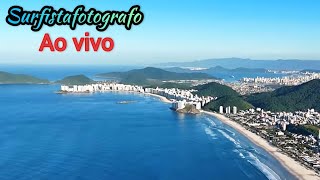
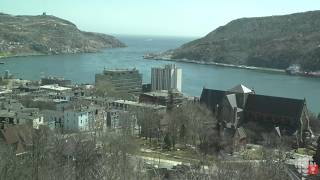
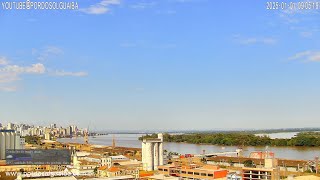
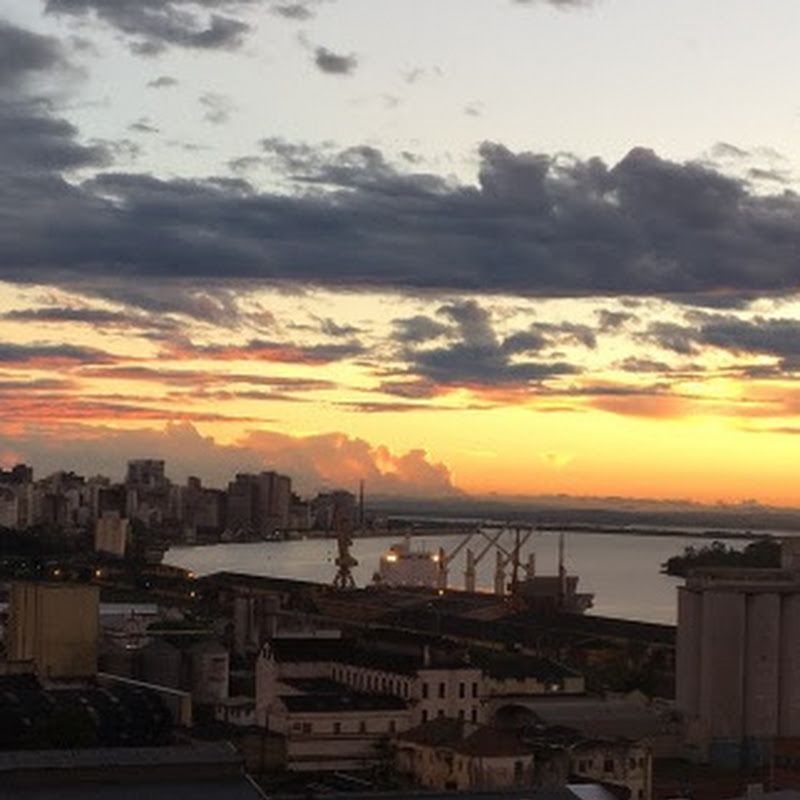
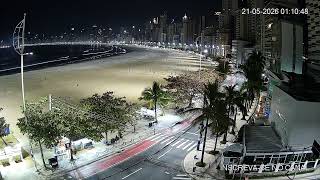
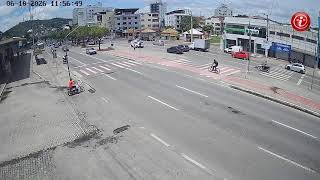
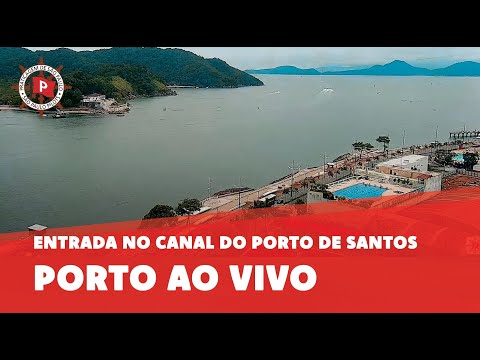
This live stream offers a panoramic view of the Canal do Porto de Santos in Santos, São Paulo, Brazil, capturing the dynamic maritime activity of Latin America's busiest container port. The camera looks out over the 24.6-kilometer navigational channel, where large container ships, cruise liners, and cargo vessels navigate toward the port's terminals.
Santos, São Paulo, Brazil
 BR
BR- Santos, Brazil
- Santos (SP)
- Santos, Sao Paulo
Santos is a city and municipality located in the Brazilian state of São Paulo, serving as the core urban center of the Baixada Santista metropolitan region. Situated primarily on the island of São Vicente, which it shares with the neighboring city of São Vicente, the municipality also extends onto the continental mainland. It lies approximately 50 kilometers from the state capital, São Paulo, positioning it as a vital coastal hub within the southeastern region of Brazil.
The settlement was founded in 1546 by the Portuguese nobleman Brás Cubas, who moved the port to the calmer site of Enguaguaçu. Originally known as the town of Todos os Santos, the name eventually shortened to Santos, potentially derived from the port of Santos in Lisbon. The city's development was heavily influenced by the coffee export boom at the turn of the 20th century and its role as an indispensable outlet for São Paulo State's production, later becoming a significant tourist destination from the 1910s onwards.
The urban landscape is divided between the densely populated insular area and the protected continental zone. Key landmarks include the Port of Santos, which handles nearly 29% of Brazil's trade flow, and the Coffee Museum, where world coffee prices were once negotiated. The city is also home to Memorial das Conquistas, a football memorial dedicated to players like Pelé, and features a beachfront garden stretching 5,335 meters, recognized by Guinness World Records as the largest in the world.
Tourism is a primary economic driver, linked closely to the beaches and local historical significance. Visitors are drawn to the extensive outdoor art exhibits and botanical gardens that stretch from José Menino to Ponta da Praia. The city maintains strong cultural ties to football through its historic team and offers significant industrial tourism via its massive seaport, which manages large portions of global coffee exports alongside other national commodities like steel, oil, and citrus fruits.
As of 2025, the population is recorded at 429,547. The economy relies heavily on foreign trade, with the port facilitating the export of soybeans, sugar, and corn, while importing fertilizers and wheat. Accessible via major highways like Rodovia dos Imigrantes or buses from São Paulo, the city experiences a tropical rainforest climate with no dry season. Mean temperatures range from 19°C in winter to 25°C in summer, with high annual precipitation supporting its lush coastal environment.
 The EARF Engine