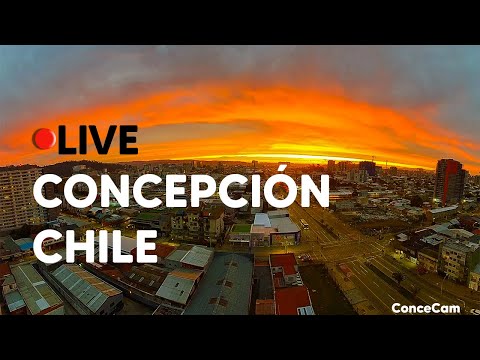


Concepción Centre
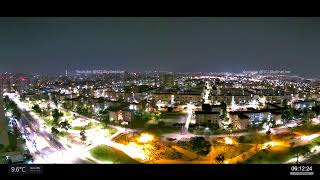
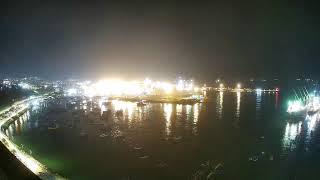
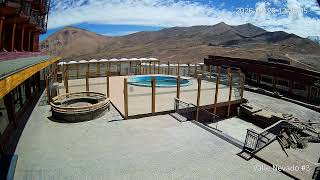
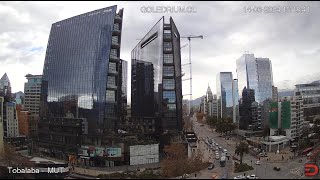
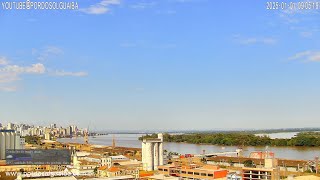
This live webcam shows Concepción Centre in Concepción, Biobío Region, Chile, delivering a clear and professional real-time view of the city’s central district. The camera faces a key urban area defined by open civic spaces, surrounding buildings, and steady street activity that reflects daily life in the city center. Movement of pedestrians and traffic, along with changing light and weather, captures the practical rhythm and atmosphere of this important urban location.
Concepción, Biobío, Chile
 CL
CL- Concepcion, Chile
- Concepción, Biobio
Concepción is a city and commune located in south-central Chile, serving as the geographical and demographic core of the Greater Concepción metropolitan area. It holds significant administrative status as the seat of the Concepción Province and the capital of the Biobío Region. Situated approximately 500 kilometers south of the national capital, Santiago, it forms one of the country's three major conurbations. The city is recognized as the second largest in Chile by urban area, anchoring a heavily industrialized region that exerts considerable influence on domestic trade.
The settlement originated in 1550 when Pedro de Valdivia founded it north of the Bío Bío River under the name Concepción de María Purísima del Nuevo Extremo. It served as the capital of the Kingdom of Chile between 1565 and 1573 and remained an unofficial military capital throughout the colonial period. Repeated destruction by earthquakes and tsunamis in 1570, 1657, 1687, 1730, and 1751 necessitated relocation to its current site in the Valle de la Mocha. The original site later became the town of Penco.
The historic district lies within the Valle de la Mocha, featuring numerous historical bridges, murals, parks, and lakes. Cultural landmarks include the Teatro Biobío, the Casa del Arte, the local Natural History Museum, and the Teatro Universidad de Concepción. The city center retains its colonial heritage while adapting to modern urban needs. The neighboring harbor of Talcahuano hosts the largest naval base in Chile, adding a distinct maritime character to the broader metropolitan landscape.
Concepción is widely known as a university city due to its numerous educational institutions, including the University of Concepción and the Catholic University of the Most Holy Conception. This academic presence fosters a vibrant cultural environment with active nightlife and various entertainment venues. The city also boasts a rich history tied to Chilean independence, notably the Plaza de la Independencia where Bernardo O'Higgins proclaimed the war of independence in 1818.
The population was recorded at 217,537 as of 2017. The economy is driven by its status as a major industrial hub and educational center. Access is facilitated by the Panamericana highway and frequent bus services from Santiago, while train connections link the city to the north and south. The region is seismically active, having experienced significant earthquakes in 1939, 1953, 1960, and 2010, which shaped its modern infrastructure and urban planning.
 The EARF Engine