
St. Gertrud
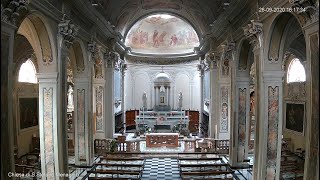
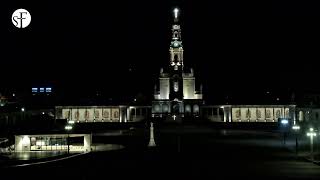
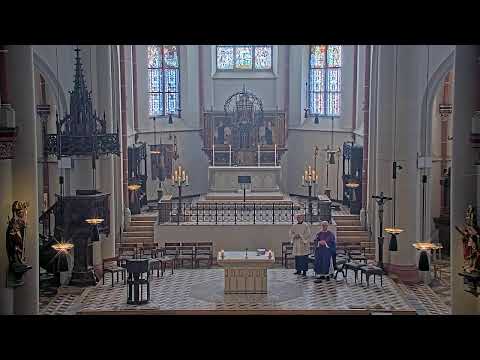
This live camera inside St. Gertrud (Düsseldorf‑Eller) in Düsseldorf, North Rhine-Westphalia, Germany provides a calm, real-time view of the church’s interior. You can see the vaulted neo-Gothic nave with rows of seating facing forward, the illuminated sanctuary area, and stained-glass windows casting soft light across the space.
Düsseldorf, North Rhine-Westphalia, Germany
 DE
DE- Duesseldorf
- Dusseldorf, Germany
Düsseldorf is the capital city of North Rhine-Westphalia, the most populous state in Germany. Situated primarily on the right bank of the Rhine River, it serves as a central hub within the Rhine-Ruhr metropolitan region, which is the second-largest by GDP in the European Union. The city lies near the mouth of the Düssel River and has grown to merge with neighboring municipalities such as Neuss, Krefeld, and Ratingen. As the sixth-largest city in Germany, it functions as a key administrative and political center for the state.
The settlement originated at the confluence of the Düssel and Rhine rivers, with early mentions dating to the 12th century. It gained city rights in 1288 following the Battle of Worringen, which elevated its status under the Counts of Berg. The city later became the capital of the United Duchies of Jülich-Cleves-Berg before falling under Prussian control in 1815 after the Napoleonic era. This period marked rapid industrialization, transforming Düsseldorf from a ducal residence into a major industrial and commercial center by the late 19th century.
The urban landscape is divided into ten numbered districts, with tourists often focusing on District 1, which includes the Altstadt and Stadtmitte quarters along the Rhine. The city is known for its fashion industry, trade fairs, and nightlife, hosting events like the Igedo fashion fair and the Kirmes fun fair. Düsseldorf also boasts a significant Japanese community, with numerous European head offices of Japanese companies located within its borders, contributing to its unique cultural and economic character.
Culturally, Düsseldorf is renowned for its Rhenish Carnival celebrations in February or March, which rank as the third most prominent in Germany. The city supports 22 institutions of higher education, including the Heinrich-Heine-Universität and the Kunstakademie, known for influential artists like Joseph Beuys and Gerhard Richter. It also holds a notable place in electronic music history through the band Kraftwerk and maintains a vibrant arts scene that attracts visitors interested in its historical and contemporary cultural contributions.
As of 2024, the population is 618,685, reflecting its status as a major urban center. The economy is driven by professional services, creative industries, and media, with headquarters for companies like Metro and Rheinmetall. Düsseldorf Airport is Germany's fourth-busiest, serving as the main international hub for the Ruhr area. Mercer ranked it the tenth most livable city in the world in 2023, highlighting its high quality of living and robust infrastructure.
 The EARF Engine