
Karbala, Iraq
 IQ
IQ- Al Karbala
- كربلاء
- Kerbela
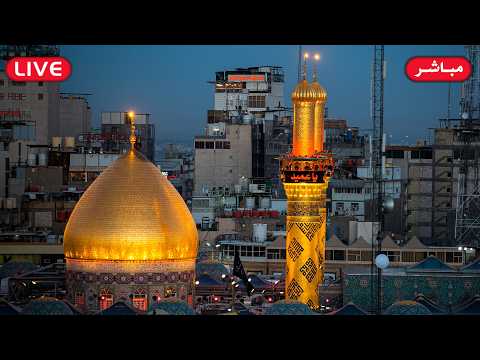
Karbala is a major city located in central Iraq, serving as the administrative capital of Karbala Governorate. It sits just east of Lake Milh, which is also known as Razzaza Lake. The city holds significant status as one of the primary political, spiritual, and cultural hubs for Shia Islam within the region.
The city's historical trajectory was fundamentally shaped by the Battle of Karbala in 680 CE, where Husayn ibn Ali and his followers were martyred. Following this event, Karbala evolved from a tomb and shrine into an important center of pilgrimage. It later came under Mongolian control after the fall of Baghdad in 1258 and experienced semi-autonomy following invasions by the First Saudi State.
The urban landscape is defined by profound religious significance, centered on the Imam Husayn and Al-Abbas Shrines. These sites are considered among the holiest places on Earth in Shia tradition. The architecture includes ornate structures with gold-covered tombs and silver trellises, designed by Persian and Central Asian architects, attracting millions of visitors annually.
Karbala draws vast numbers of pilgrims who come to commemorate the martyrdom of Husayn and Abbas. The city hosts major events such as ʿAshura and the Arba'in pilgrimage, where tens of millions gather, making it the largest annual public gathering on earth. These traditions are deeply rooted in Shia Islamic belief and history.
The population was recorded at 690,100 in 2014, though estimates reached around 800,000 by 2024. Access is primarily via bus or car, as the city lacks a functioning airport, with the nearest major international hub in Baghdad. The downtown area near the shrines is restricted to pedestrians and authorized vehicles.
 The EARF Engine