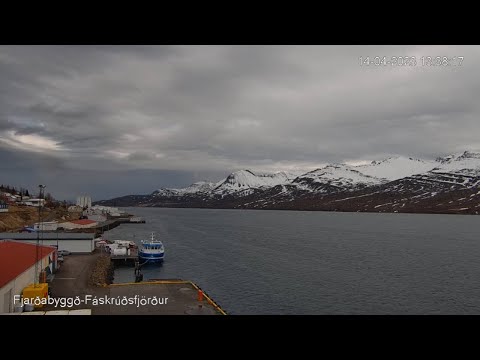
Live stream unavailable
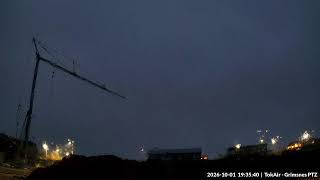
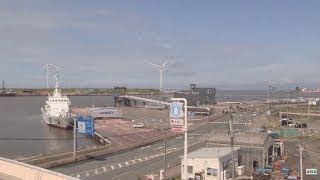
This camera is offline or temporarily unavailable. It may be under maintenance, having technical trouble, or it may have been removed by the provider. Listings are monitored continuously and this page updates when the stream returns.


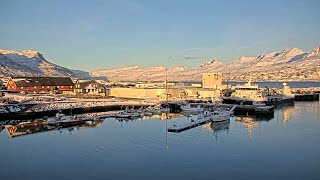
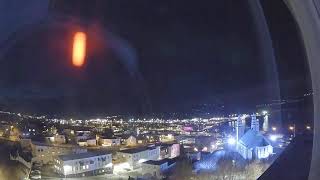
Fáskrúðsfjörður, Eastern Region, Iceland
 IS
IS- Faskrudsfjordur
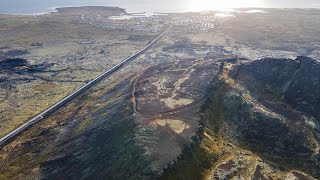
Fáskrúðsfjörður is a village situated in the Eastern Region of Iceland, positioned on the fjord of the same name. It lies geographically between Reyðarfjörður and Stöðvarfjörður, marking it as one of the easternmost settlements in the country. The settlement constitutes one of the villages composing the municipality of Fjarðabyggð, serving as a key community within this broader administrative region.
The village was historically home to a hospital founded to serve French fishermen who worked in the area until 1935. The former hospital building, dating from 1903, has since been restored and now operates as a hotel. This period of French presence left a lasting mark on the local infrastructure and cultural landscape during the early twentieth century.
Notable landmarks include the Kolfreyjustaðakirkja church, built of driftwood in 1878 on the farm Kolfreyjustaður in the east of the village. It is famous for wall paintings from 1957 and a retable by Danish artist Niels Anker Lund. The Vattarnesviti lighthouse, an orange structure on the northeastern peninsula built in 1957, also defines the local scenery.
Fáskrúðsfjörður is a centre for visitors viewing the Northern Lights and offers boat trips to the uninhabited island Skrúður, known for puffins. The French cemetery with forty-nine graves of fishermen from France and Belgium is a tourist attraction, featuring a cross erected in 2009. Bilingual signs in Icelandic and French indicate street names throughout the town.
The village has a population of 695 as of 2021. It maintains a twin town relationship with Gravelines in France, reflecting its historical ties. The area attracts tourists through its natural attractions and heritage sites, supported by tour operators offering boat excursions to nearby bird-rich islands.
 The EARF Engine