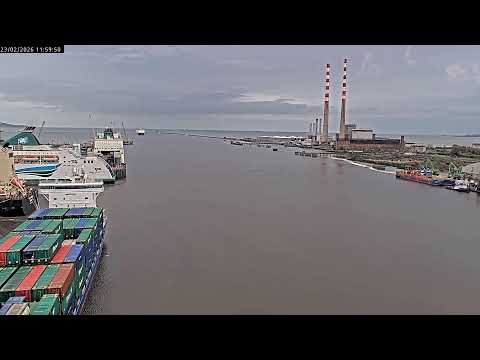

Dublin, Ireland
 IE
IE- Baile Átha Cliath
- Áth Cliath
Dublin serves as the capital and largest city of Ireland, situated on Dublin Bay at the mouth of the River Liffey within the province of Leinster. It is bordered to the south by the Dublin Mountains, which form part of the Wicklow Mountains range. As the principal settlement of the nation, it holds significant administrative importance and is recognized globally as a major urban center.
Human habitation in the area dates back 6,000 years, with early settlements established by Gaels and later Vikings around 841. The name derives from the Middle Irish Duibhlinn, meaning black pool, referring to a tidal pool near Dublin Castle. Following the Anglo-Norman invasion in 1169, it became Ireland's principal settlement and later the heart of the Pale under English control.
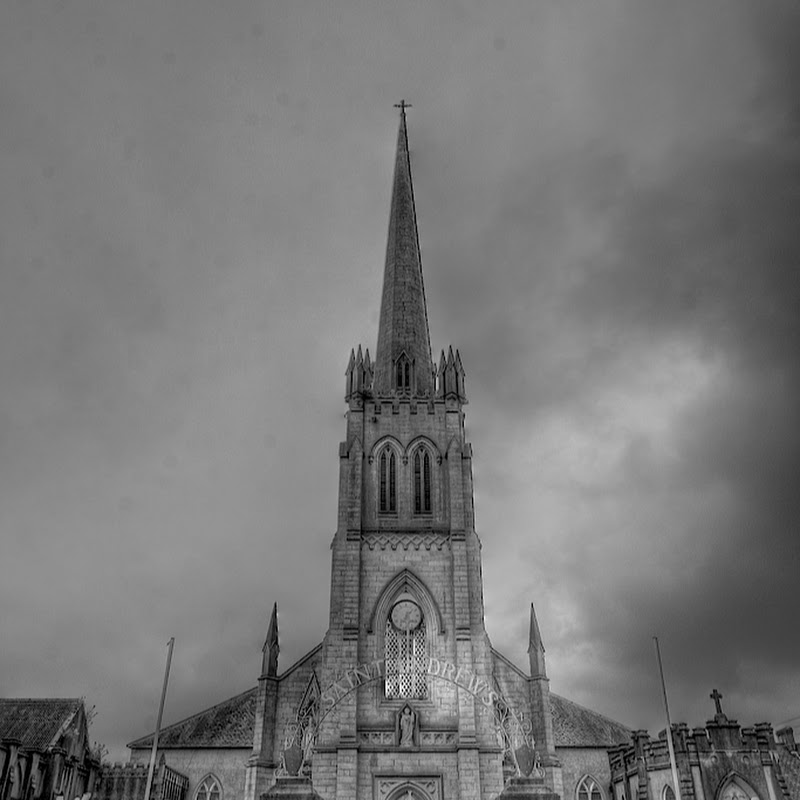
The city features a mix of medieval layouts and graceful Georgian architecture from the 18th century, when it was briefly the second-largest city in the British Empire. Key landmarks include Dublin Castle, Trinity College founded in 1592, and the River Poddle. The urban landscape reflects centuries of development, from Viking fortifications to the extensive reconstruction that defined its modern street plan.
Dublin is renowned for its vibrant nightlife, tourist attractions, and cultural heritage, drawing international visitors as a primary entry point to Ireland. The city boasts a rich history of industry and culture, including the wool and linen trades, and remains a global city with an Alpha minus ranking. Its historical sites and lively atmosphere define its appeal to travelers.
The city council area had a population of 592,713 as of 2022, while the greater metropolitan region exceeds two million. The climate is mild year-round, with seldom freezing winters and cool summers, making it accessible in all seasons. Its economy benefits from its status as a global hub, supported by its strategic sea access and historical role as a trade center.
 The EARF Engine