










Akita Station Square
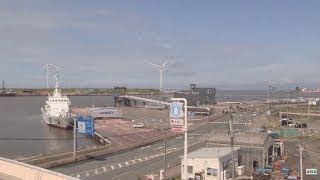
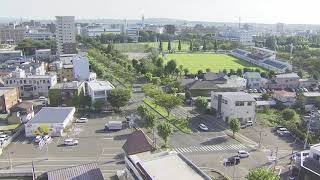
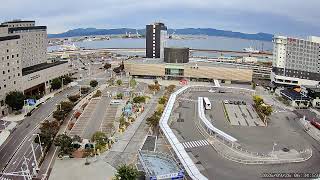
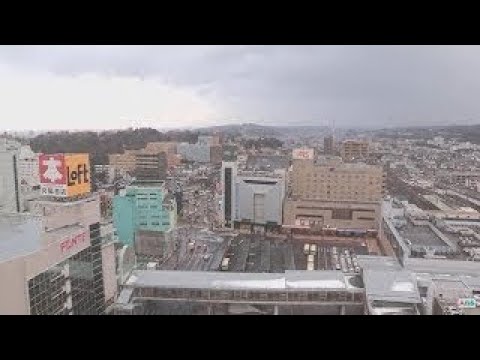
This live stream offers a real-time view of Akita Station Square in Akita City, Japan, captured from the rooftop of the Akita Broadcasting System (ABS) headquarters. The camera overlooks the bustling west exit of JR Akita Station, a major railway hub in the region. In the foreground, the square is lined with modern commercial buildings, including the Fonte Akita shopping complex, which houses various retail stores and eateries. The area serves as a central point for commuters, with buses and taxis frequently arriving and departing, facilitating easy access to the city's public transportation network.
Akita, Japan
 JP
JP- Akita Prefecture
- 秋田県
- JP-05
Akita Prefecture is an administrative region in Japan situated within the Tōhoku area of the main island Honshu. It occupies a rectangular geographic space bordered by Aomori to the north, Iwate to the east, Miyagi to the southeast, and Yamagata to the south. The prefecture stretches from the Sea of Japan coast in the west to the Ōu Mountains in the east, covering an area of 11,637 square kilometres. Akita city serves as both the capital and the largest urban center within this jurisdiction.
The region originated from the ancient provinces of Dewa and Mutsu, remaining largely isolated by mountain ranges until after the year 600. Japanese settlement began in 658 when Abe no Hirafu conquered native Ezo tribes and established a fort on the Mogami River. Governance shifted through various periods, notably under the Satake clan during the Tokugawa shogunate, before modern borders were established in 1871 following the Meiji Restoration.
The landscape features the Oga Peninsula on the western edge and the Dewa Mountains running parallel through the center. Notable sites include Kakunodate, which preserves samurai houses and is known as the little Kyoto, and Lake Tazawa with its surrounding hot springs resorts. The prefecture also encompasses the Towada-Hachimantai National Park and various quasi-national parks, highlighting its diverse natural geography and historical architecture.
Akita is renowned for rice farming, sake production, and the Akita dog breed. Cultural attractions include the Namahage ritual in Oga and the Akita Kantō festival. The region attracts visitors seeking green tourism, agritourism, and traditional experiences like the Yokote Kamakura Festivals. It also gained attention from Korean tourism following the filming of the drama Iris at locations such as Lake Tazawa and Oga's GAO Aquarium.
The population was 946,380 as of 2021, though estimates indicate a declining trend with significant aging demographics. The economy relies on agriculture, fishing, and forestry, leading to rural depopulation. Access is provided by the Akita Shinkansen from Tokyo, Akita Airport, and Ōdate-Noshiro Airport. The climate features cold winters, particularly inland, making it a destination for winter snow events and summer festivals.
 The EARF Engine