











Chuo City
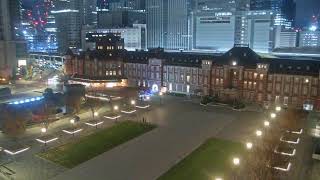
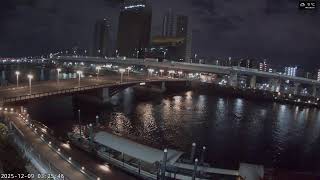
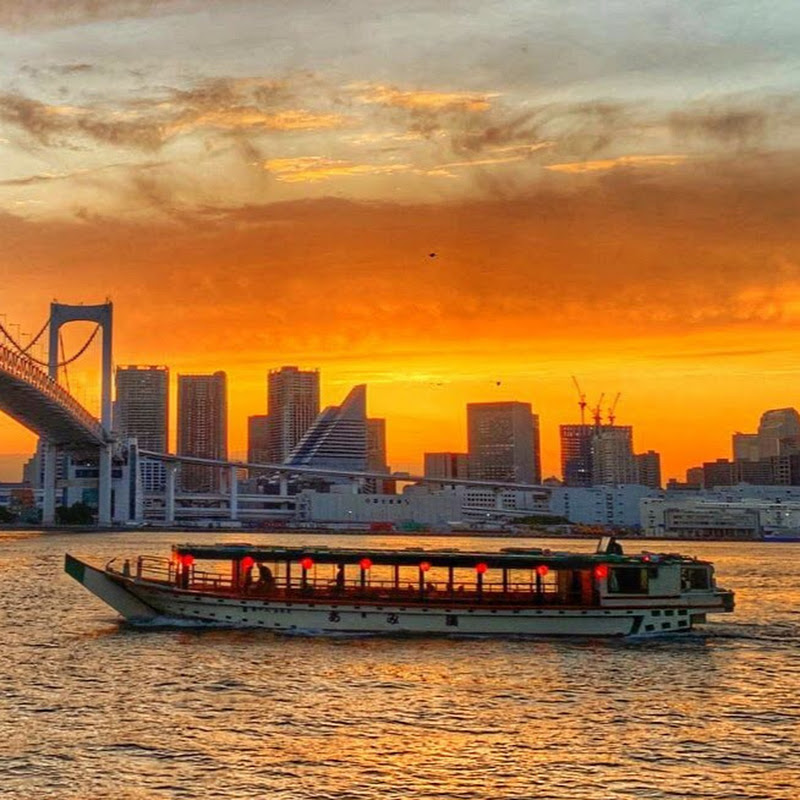
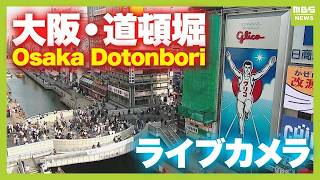
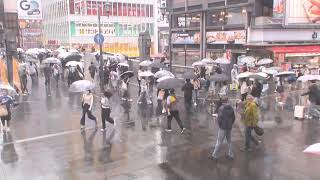
This live stream shows the city’s sunset and skyline from Chuo City, Japan, often called Chuo-ku or Chuo Ward, Tokyo’s bustling center where modern life meets tradition. The view captures the energy of one of Tokyo’s most dynamic districts, known for Ginza’s luxury shopping, stylish cafés, and lively streets that draw both locals and visitors. From this spot, you can take in the Tsukiji-Ohashi Bridge spanning the Sumida River, with the surrounding cityscape reflecting the vibrant mix of culture, commerce, and daily life that defines Chuo City.
Chuuou-ku, Tokyo Prefecture, Japan
 JP
JP- Chūō
- 中央区
- Chuo-ku
Chūō is a special ward situated within the Tokyo Metropolis in Japan, serving as the core of the historic Shitamachi downtown area. It lies entirely outside the Yamanote Line loop, surrounded by the special wards of Chiyoda, Minato, Taitō, Sumida, and Kōtō. Administratively, the ward is divided into three zones: Nihonbashi, Kyōbashi, and Tsukishima, with the latter occupying a separate island in Tokyo Bay.
The area originated as Edomachi, the town center of Edo, where Shōgun Tokugawa Ieyasu began developing a commercial district in 1612. Following fires in 1657 and 1872, the layout was re-planned with canals and European-style streets. Chūō Ward was formally founded on March 15, 1947, merging the former Nihonbashi and Kyōbashi wards under the Local Autonomy Law after Tokyo City transformed into the Tokyo Metropolis.
Historically Tokyo’s main commercial center, the ward now shares prominence with Shinjuku and Shibuya. Key districts include the Nihonbashi business area, the Ginza shopping district, and the Tsukiji market zone. The geography is defined by former waterways that now form neighborhood divisions, while the Sumida River marks its eastern boundary. Tsukishima features condominium towers, contrasting with the dense commercial architecture of the mainland.
Ginza hosts Tokyo's most expensive shopping district, featuring major department stores and the Kabuki-za theater, while Nihonbashi serves as a traditional commercial hub with the Takashimaya stores. Tsukiji is renowned globally for sushi and its wholesale fish market, supplying restaurants across eastern Japan. The ward also contains the Jōdo Shinshū temple of Tsukiji Hongan-ji and Hama-rikyū Gardens, a public park formerly owned by daimyō.
As of 2021, the resident population is 169,995, though the daytime population swells to an estimated 650,000 due to business concentration. The economy is anchored by headquarters of major firms like Ricoh, Sumitomo Corporation, and Daiichi Sankyo. Transport access includes the Yaesu side of Tokyo Station, which serves as the terminal for Shinkansen bullet train lines connecting the ward to the rest of Japan.
 The EARF Engine