




Ryogoku District
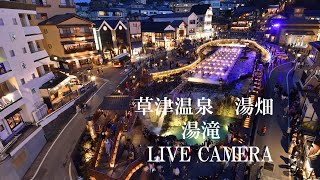
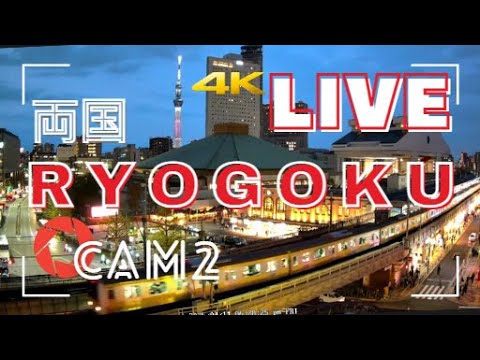
This live webcam captures the vibrant Ryogoku district in Sumida City, Tokyo, Japan, a historic area known as the heart of sumo wrestling. The view shows the west exit of Ryogoku Station, where trains come and go amid the lively city streets. Just beyond rises the roof of the renowned Ryogoku Kokugikan Sumo Arena, while the towering Tokyo Skytree dominates the skyline with its brilliant evening lights. To the right, the Edo-Tokyo Museum stands as a tribute to the capital’s cultural heritage, offering a real-time look at this dynamic corner of Tokyo.
Tokyo, Tokyo Prefecture, Japan
 JP
JP- Tokyo Metropolis
- Edo
- 東京都
Tokyo, officially the Tokyo Metropolis, serves as the capital and most populous city of Japan. It is situated at the head of Tokyo Bay within the Kantō region on the central coast of Honshu, the country's largest island. Administratively, its structure resembles a prefecture rather than a standard city, governed by a Governor and Assembly that oversee the central 23 special wards, various commuter towns in the western area, and two outlying island chains known as the Tokyo Islands.
Originally known as Edo, the settlement rose to political prominence in 1603 when it became the seat of the Tokugawa shogunate. By the mid-18th century, it had evolved from a small fishing village into one of the world's largest cities with over one million residents. Following the Meiji Restoration in 1868, the imperial capital moved from Kyoto to Edo, which was renamed Tokyo, meaning Eastern Capital. The city later suffered damage from the 1923 Great Kantō earthquake and World War II bombing before undergoing rapid reconstruction.
The metropolis is defined by its diverse districts, including Chiyoda, home to the National Diet Building and Imperial Palace, and Shinjuku, the administrative center. Shibuya serves as a major hub for commerce and business. Notable landmarks include Tokyo Skytree, the world's tallest tower, and Shinjuku Station, identified as the world's busiest train station. The Tokyo Metro Ginza Line, opened in 1927, holds the distinction of being the oldest underground metro line in Asia.
Tokyo is an international hub for research, development, and academia, hosting major universities such as the University of Tokyo. It has hosted the Summer Olympics and Paralympics in both 1964 and 2021, as well as three G7 summits between 1979 and 1993. The city is categorized as an Alpha+ global city and ranked as the safest in the world by the Economist Intelligence Unit. Its cultural landscape blends modern consumer culture with historical remnants of its time as the shogunate's seat.
The population of the city proper was over 14 million as of 2023, while the Greater Tokyo Area had 33 million residents as of 2025. The nominal gross domestic output reached 120.2 trillion yen in FY2022, accounting for 21.2% of Japan's economic output. Tokyo Station serves as the central hub for the Shinkansen high-speed railway network. As of 2025, the metropolis is home to 26 of the world's 500 largest companies listed in the Fortune Global 500.
 The EARF Engine