Live stream unavailable
This camera is offline or temporarily unavailable. It may be under maintenance, having technical trouble, or it may have been removed by the provider. Listings are monitored continuously and this page updates when the stream returns.
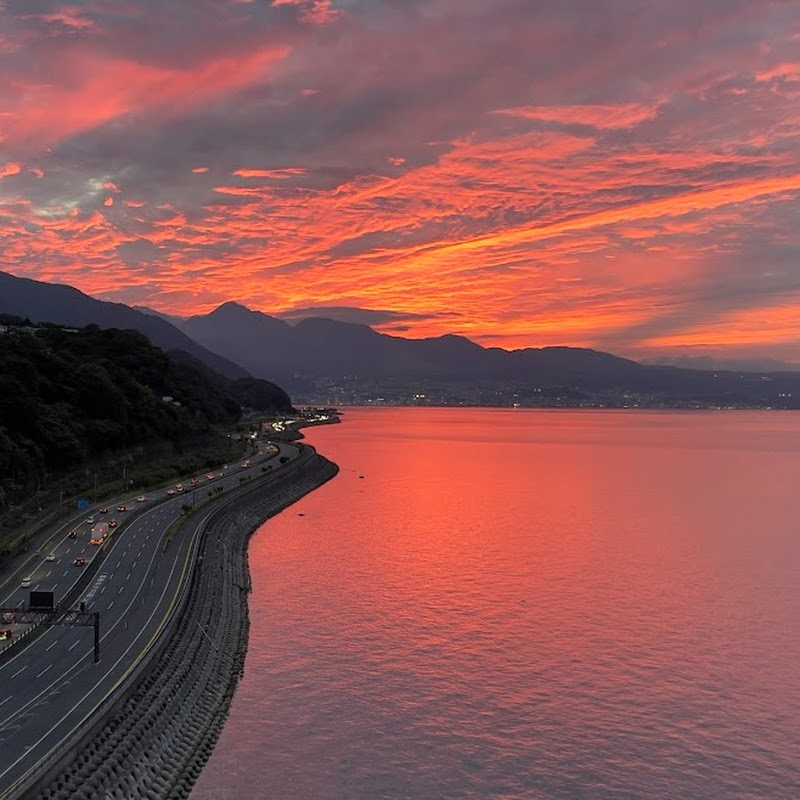

Beppu Bay
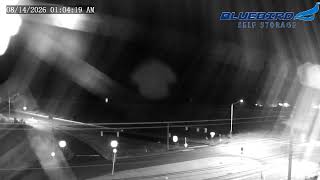
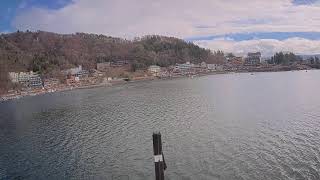
This live HD webcam overlooks Beppu Bay from Route 10 highway in Ikushiminatomachi, Oita Prefecture, on the northeast coast of Kyushu, Japan. The camera faces west, offering expansive views of the bay and the traffic connecting the cities of Oita and Beppu. Oita, the capital of Oita Prefecture, is famous for its hot springs (onsen) and traditional Japanese inns known as ryokan, which are especially abundant in Beppu.
Oita, Japan
 JP
JP- Oita Prefecture
- 大分県
- Oita-ken
Ōita Prefecture is an administrative region in Japan situated on the northeastern section of the island of Kyūshū. It occupies a geographic area of 6,340 square kilometers along the Bungo Channel, which connects the Pacific Ocean and the Seto Inland Sea. The prefecture borders Fukuoka to the northwest, Kumamoto to the southwest, and Miyazaki to the south, while facing Ehime Prefecture on Shikoku across the water.
The region's history traces back to the 6th century when it formed part of Toyo Province, later divided into Bungo and Buzen. Following the Meiji Restoration, districts from these provinces combined to create Ōita Prefecture. The name derives from the early 8th-century Chronicles of Bungo, where Emperor Keikō reportedly named the area Okita-Kuni, meaning Land of the Great Fields, which evolved into the modern designation.
The landscape is defined by the Kirishima volcanic belt and mountain ranges including Mount Kujū, known as the roof of Kyushu. This geology supports 70% forest cover and numerous hot springs, making Ōita the prefecture with the largest number of onsen in Japan. Major cities include the capital Ōita, Beppu, Nakatsu, and Saiki, with Usa Jjingū serving as the head shrine for over 40,000 Hachiman shrines nationwide.
Ōita is a popular tourist destination renowned for its ryokan and onsen culture, particularly in and around Beppu. The area also offers rich natural attractions, including the Kujū Highlands used for dairy farming and rare coastal formations at Saiki City's Yakata Island. Visitors explore these sites via the Oita Station hub or by renting bicycles to access scenic waterfronts and river areas within the capital city.
The prefecture had a population of 1,081,646 as of 1 February 2025. Its economy centers on agriculture, notably producing Japan's top kabosu limes, dried shiitake mushrooms, saffron, and galingale. Access is provided by Ōita Airport with daily flights to major cities, JR Kyushu train lines, highway buses from Fukuoka, and the Sunflower sleeper ferry service connecting Oita to Kobe.
 The EARF Engine