
Matsuyama, Ehime, Japan
 JP
JP- Matsuyama City
- Matsuyama-shi
- 松山市
Matsuyama serves as the capital city of Ehime Prefecture on the island of Shikoku in Japan. It holds the distinction of being Shikoku's largest city, situated in central Ehime facing the Seto Inland Sea to the north. The urban area rests on the northeastern portion of the Dōgo Plain, bordered by the mountains of the Takanawa Peninsula to the north and east, and the Saragamine Mountain Range to the south.
The region was historically part of ancient Iyo Province, with Dōgo Onsen gaining fame during the Asuka period after a visit by Shōtoku Taishi in 596. The modern city developed around Matsuyama Castle as a jōkamachi and was officially established on December 15, 1889, with the creation of the modern municipality system. Subsequent mergers with neighboring towns and the absorption of Hōjō in 2018 expanded its boundaries.
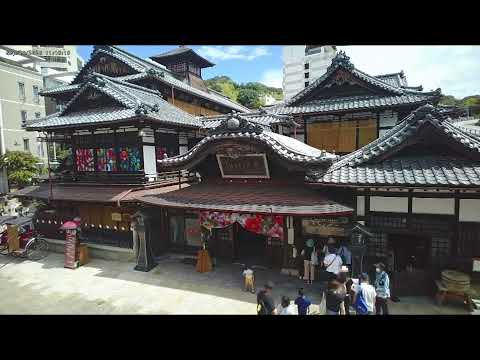
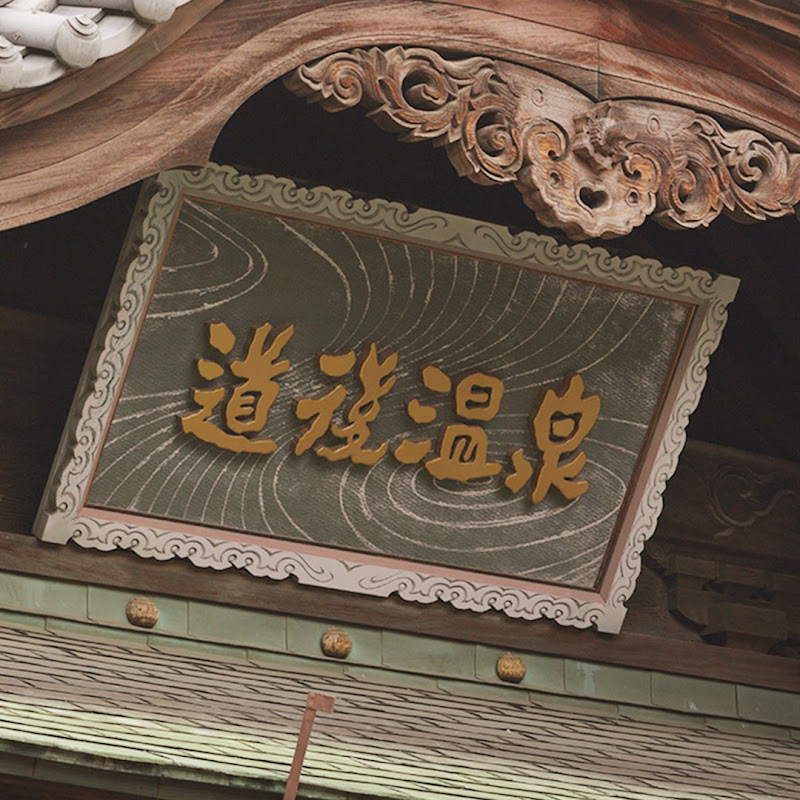
The city is defined by its historic landmarks and literary connections, including the Dōgo Onsen Honkan, a Meiji Period wooden public bathhouse dating from 1894. Matsuyama Castle remains a primary tourist destination, while the area features eight temples of the Shikoku Pilgrimage. The center of town is anchored by Matsuyama-shi Station and the surrounding tram network, which has operated continuously since 1887.
Matsuyama attracts visitors through its rich literary heritage, notably as the setting for Natsume Sōseki's novel Botchan and the birthplace of haiku poet Masaoka Shiki. Cultural sites include the Shiki Memorial Museum and the Saka no Ue no Kumo Museum, established in 2007. The city also commemorates its role in the Russo-Japanese War through a Russian cemetery and monuments to the Akiyama brothers.
As of 1 October 2022, the city had an estimated population of 494,100 within a total area of 429.35 square kilometres. It functions as a major regional commercial center with industries in agriculture, tourism, and manufacturing. Matsuyama experiences a humid subtropical climate with hot summers and cool winters, receiving significant precipitation throughout the year, particularly from April to July.
 The EARF Engine