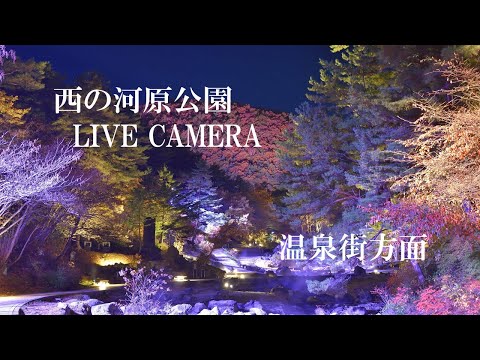


Sainokawara open-air bath
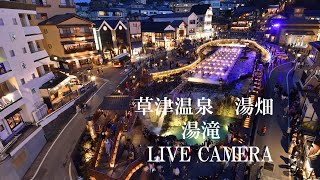
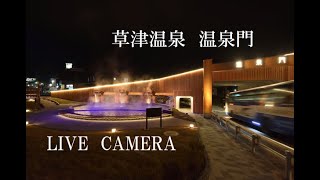
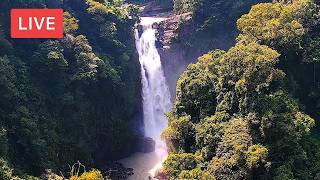
This live stream shows the Sainokawara Open-Air Bath (西の河原露天風呂), a renowned outdoor onsen located in Kusatsu, Gunma Prefecture. Situated within Sainokawara Park, the bath is one of Japan's largest open-air hot springs, offering visitors a tranquil experience amidst nature. The spacious 500-square-meter bath is surrounded by lush greenery and features mineral-rich waters that are naturally heated, providing a soothing soak for bathers.
Agatsuma District, Gunma, Japan
 JP
JP- 吾妻郡
Agatsuma District is a rural administrative district situated within Gunma Prefecture in Japan. Geographically, it occupies a significant portion of the region, characterized by its expansive rural landscape and mountainous terrain. The district serves as a local governmental unit, overseeing several towns and villages that contribute to the broader cultural and economic fabric of the prefecture.
Historically, the area was part of Kōzuke Province during the Edo period, where it consisted of villages administered directly by the Tokugawa shogunate and territories managed by the Oguri-clan. The modern municipal system was established on April 1, 1889, organizing the land into specific towns and villages. Subsequent decades saw numerous mergers and transfers, such as Takayama village joining in 1896 and the formation of Higashiagatsuma in 2006.
The district is composed of several municipalities, including Kusatsu, Takayama, Tsumagoi, Nakanojō, and Naganohara. Former entities like Agatsuma Town and Azuma Village were merged to create the new town of Higashiagatsuma in 2006. The area retains its rural character, with villages like Kuni merging into Nakanojō in 2010, preserving the distinct administrative boundaries that define its current layout.
While specific festivals or culinary traditions are not detailed in the primary records, the district's appeal lies in its preserved rural heritage and historical depth. The presence of former hatamoto-territories and tenryō lands offers a glimpse into the feudal past. The landscape itself, defined by its mountainous geography, provides a setting for traditional Japanese rural life and historical exploration.
As of January 2015, the district had an estimated population of 56,994, covering an area of 1,278.55 km2 with a density of 44.6 people per square kilometer. The economy is likely tied to its rural nature and historical sites. Access is facilitated by its location in Gunma Prefecture, though specific transport links are not enumerated. The climate supports its agricultural and residential functions.
 The EARF Engine