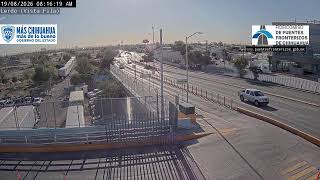


Ciudad Acuña, Coahuila, Mexico
 MX
MX- Acuña
- Villa Acuna
- Garza Galán
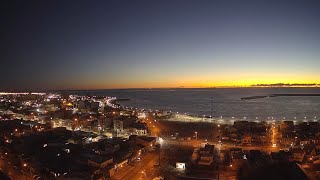
Ciudad Acuña is a city in the Mexican state of Coahuila, situated along the Rio Grande which forms part of the United States–Mexico border. It lies directly across from Del Rio, Texas, serving as the municipal seat of Acuña Municipality. The area is recognized for its strategic location at the border, facilitating significant cross-border interaction and tourism between the two nations.
The first recorded settlement occurred on 27 December 1877, founded by colonists led by Domingo Urias, Irineo Casillas Arevalo, and Maximina Espinoza. Originally named Garza Galán, it received villa status in 1880 before being renamed Congregación las Vacas in 1884. It was later renamed Villa Acuña in 1912 after poet Manuel Acuña, finally becoming Ciudad Acuña in 1951.
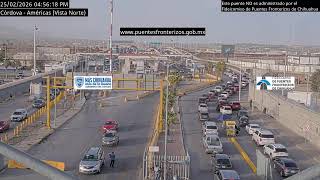
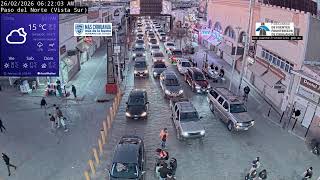
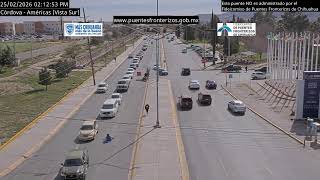
The city features two international border crossings: the Lake Amistad Dam International Crossing and the Del Río–Ciudad Acuña International Bridge. Notable sites include the Cuartel Militar Antiguo, an old military barracks offering views of the city and USA, and Los Novillos National Park. An entertainment district known as Boys' Town is located south of the city, though it is designated off-limits to U.S. military personnel.
Ciudad Acuña attracts visitors with handicraft shops, hotels, and restaurants serving typical Mexican cuisine and international food. The area has cultural significance in media, appearing in films such as El Mariachi, Desperado, and No Country for Old Men. It also hosts historical radio station XERF-AM, which played a role in border broadcasting history before being controlled by the Instituto Mexicano de la Radio.
The city had a population of 160,225 as of 2020. Its economy includes maquiladoras for companies like Caterpillar and Bendix, leveraging its union-free status. Access is via Ciudad Acuña International Airport or ground crossings from Texas, with San Antonio International Airport being the nearest major commercial hub. The climate features extreme temperatures with cold winters and hot summers, including potential tornado activity in late spring.
 The EARF Engine