



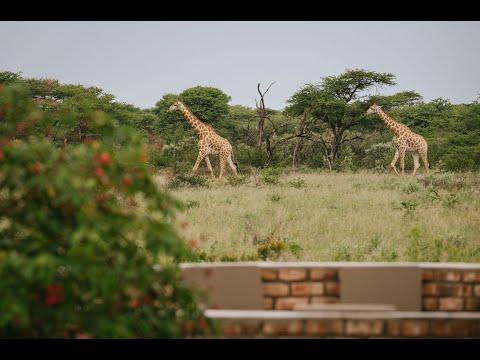


Otjiwarongo, Namibia
 NA
NAOtjiwarongo is a city in central-north Namibia, serving as the capital of the Otjozondjupa Region. It functions as the district capital of the Otjiwarongo electoral constituency and houses its administrative offices. Situated on the B1 road, the town acts as a major business centre for the region and provides key links to Windhoek, the Golden Triangle, and Etosha National Park.
The area was originally settled by San and Damaras, with the latter naming it ǂKhanubes. German Namibians arrived in 1900, followed by conflicts with the Herero people in 1904 before the town was established as an administrative point. A narrow-gauge railway from Swakopmund to the Otavi copper mine helped transform Otjiwarongo into a prosperous agricultural centre during the colonial era.
The town features Germanic architecture and distinct neighbourhoods historically divided by tribe, which formed the suburb of Orwetoveni. Notable landmarks include the Cheetah Conservation Fund, the Crocodile Ranch, and the historic Locomotive No 41 at the railway station. The area is also known for its neat environment, private game farms, and the Omatjenne Dam on its outskirts.
Visitors are drawn to the town's proximity to Waterberg Plateau Park and its role in wildlife conservation. The Cheetah Conservation Fund operates internationally recognized research and education programs, while Okonjima, home to the Africat Foundation, lies nearby. The town also hosts sport tournaments and business events at Paresis Park, known locally as "The Show Ground."
Otjiwarongo has a population of 49,022 as of 2023. Its economy is supported by mining, which contributes about 20%, including the nearby B2Gold and Okorusu fluorspar mines. Transport includes TransNamib railway services, an airstrip, and well-maintained roads. The town experiences a semi-arid climate with hot summers, mild winters, and average annual precipitation of 457 mm.
 The EARF Engine