






Windhoek, Khomas, Namibia
 NA
NA- Windhuk
Windhoek serves as the capital and largest city of Namibia, situated in the central Khomas Highland plateau area. Located at approximately 1,700 meters above sea level, it occupies the geographical centre of the country within the Khomas Region. As the national capital and provincial capital, it functions as the primary administrative hub for the region.
The settlement originated near a hot spring known to local pastoral tribes before Jonker Afrikaner established an Orlam community there in 1840. After conflicts destroyed the initial town, Major Curt von François refounded Windhoek in 1890 under German colonial rule. The city later fell under South African administration before gaining independence with Namibia in 1990.
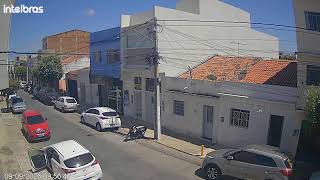
The urban landscape features a mix of colonial architecture and modern developments, anchored by Independence Avenue, formerly Kaiser Street. Notable heritage sites include the Alte Feste, the original fort built by von François, and three historic castles: Heinitzburg, Sanderburg, and Schwerinsburg. The city is surrounded by rocky, mountainous terrain that limits expansion to the north.
As the economic, political, and cultural centre of Namibia, Windhoek hosts most national enterprises, educational institutions, and media entities. It is a key entry point for tourists, with Hosea Kutako International Airport handling significant passenger traffic. The city offers diverse cultural experiences, reflecting its history as a colonial hub and modern capital.
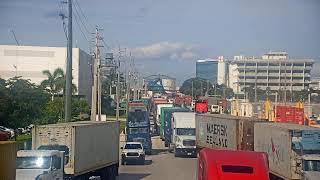
The population was recorded at 486,169 in 2023, driven by migration from other regions. It provides over half of the nation's non-agricultural employment and houses the University of Namibia. Transport relies on paved roads and taxis, with Eros Airport serving smaller craft and Hosea Kutako handling international flights.
 The EARF Engine