Okaukuejo, Oshana, Namibia
 NA
NAOkaukuejo serves as the administrative center for Etosha National Park within the Oshana Region of Namibia. Situated at coordinates -19.1833, 15.9333, this settlement functions as a key operational hub for park management and tourism infrastructure. Its location places it deep within the national park landscape, far removed from urban centers, establishing it as a critical logistical node for visitors exploring the vast wilderness areas of northern Namibia.
The site originated as the western end of the Red Line, a veterinary control demarcation established in 1896 to manage livestock movement. In 1901, the German colonial administration constructed a fort at this location, leaving behind a round watchtower that remains as a visible historical remnant today. This military and administrative history defines the early development of the area before it transitioned into its modern role within the national park system.
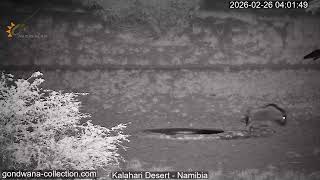
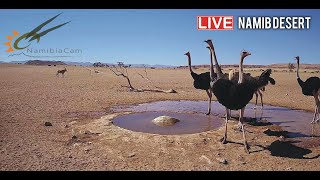
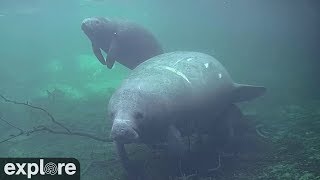
The character of Okaukuejo is defined by its permanent waterhole, which is illuminated at night to attract wildlife for viewing. This feature draws diverse animals including elephants, lions, and black rhinoceros, particularly during the lengthy dry season. The area also houses the Etosha Ecological Institute, founded in 1974, which contributes to the scientific understanding of the region's unique ecosystem and biodiversity.
Visitor appeal centers on the Namibian National Park Service tourist camp, which offers a variety of resort facilities ranging from camping sites to housekeeping cottages equipped with braai facilities. Guests can utilize a swimming pool, restaurant, and bar, while two small stores provide basic foods and firewood for cooking. The combination of wildlife viewing and comfortable accommodation makes it a primary destination for tourists.
Okaukuejo is located approximately 650 km from the capital city of Windhoek, requiring significant travel time to reach. The climate features an average annual rainfall of around 350 millimeters, though measurements varied significantly during specific periods such as the 2010/2011 rainy season when 676 millimeters were recorded. These climatic conditions influence both the ecological dynamics of the park and the timing of visitor activities.
 The EARF Engine