

Groningen, Netherlands
 NL
NL- Villa Cruoninga
- Groningen (city), Netherlands
- Groningen (municipality)
Groningen serves as the capital city and main municipality of Groningen province in the Netherlands. Located in the northern part of the country, it is widely recognized as the economic and cultural centre of the region, often dubbed the "capital of the north." The city sits at coordinates 53.2189, 6.5675 and functions as a significant hub for higher education and regional administration within the Dutch landscape.
The settlement was established more than 980 years ago, with archaeological evidence of habitation dating back to around 3950–3650 BC. It gained city rights de facto in 1245, making it one of the oldest cities in the Netherlands, although no written records of a formal grant remain. Historically, Groningen operated as an independent city-state and Hanseatic trade centre until it was incorporated into the Napoleonic Batavian Republic in the late 18th century.
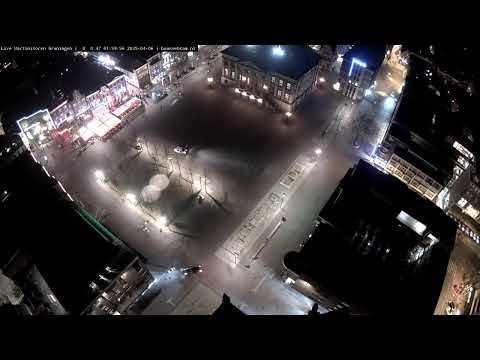
The city is defined by its medieval heritage, including the Martinitoren, which was built in the 15th century and once stood as the highest building in Europe. Numerous canals, locally called diep, surround the historic core, having served as vital trade hubs for centuries. The Grote Markt was largely destroyed during the Battle of Groningen in April 1945, though landmarks like the Goudkantoor and city hall remained undamaged.
Groningen is renowned for its vibrant student atmosphere and youthful energy, driven by the presence of major universities. The city celebrates its history annually with "Gronings Ontzet" on 28 August, commemorating the failed siege by the Bishop of Münster in 1672. Its cultural appeal is enhanced by historic architecture, museums, and a lively environment where bicycles account for 60% of all traffic movement.
As of January 2025, the municipality had 244,807 inhabitants, making it the sixth largest city in the Netherlands. The economy features business services, IT, life sciences, and tourism, alongside historical industries like sugar production. The city experiences an oceanic temperate climate with mild winters and warm summers, characterized by adequate rainfall year-round and average annual precipitation of about 800 mm.
 The EARF Engine