
Mers-les-Bains Beach
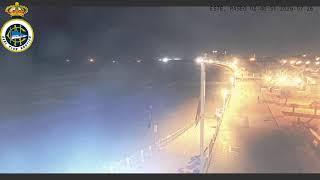
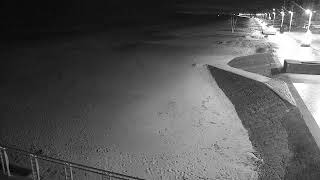
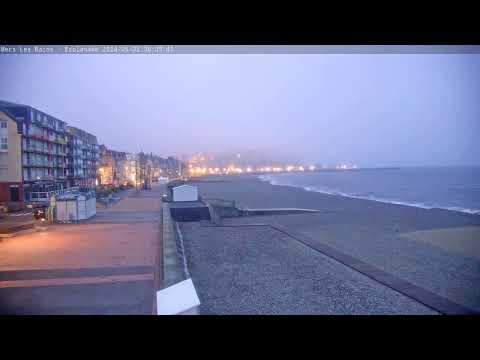
This moving live cam shows the seaside charm of Mers-les-Bains in northern France. Take in views of the pebble beach, the scenic promenade, and the iconic white chalk cliffs. Known for its preserved Belle Époque villas and relaxing coastal vibe, it’s a standout resort along the English Channel
Mers-les-Bains, Somme, France
 FR
FR- Mers
Mers-les-Bains is a commune located in the Somme department within the Hauts-de-France region of northern France. Situated on the southernmost tip of the Hauts-de-France coastline, it faces the English Channel near the mouth of the Bresle River. The town lies on the border between Picardy and Normandy, positioned on the D1015 road approximately 25 miles west of Abbeville. It serves as a seaside resort that forms part of a larger urban cluster with neighboring towns Eu and Le Tréport.
The town originated as a small fishing port before transforming into a bathing station during the Belle Époque era. This development was driven by the railway line connecting Paris to Tréport, which allowed families from the capital to make three-hour journeys for seaside holidays. The influx of wealthy visitors led to the construction of sumptuous second homes and villas in the late 19th century. These historic structures are now subject to preservation orders requiring specific materials and colors for any refurbishment.
The landscape is defined by high chalk cliffs and a one-kilometer beach featuring both pebbles and sand at low tide. The town is known for its Esplanade du Général Leclerc, lined with colorful, well-preserved Belle Époque villas that extend into adjacent streets. Notable landmarks include the Notre-Dame de la Falaise statue atop the northern cliff, a stone Calvary of St. Maximin, and a war memorial commemorating the liberation by the Canadian Chaudière regiment. The area also features a maple leaf symbolizing this historical event.
Mers-les-Bains attracts visitors with its reputation as a prestigious seaside resort, having received the Pavillon Bleu d'Europe award in 2006. Its appeal lies in the promenade filled with wildly decorated villas and the white cliffs surrounding the city. The town has historical connections to notable figures such as Jules Verne, Victor Hugo, and Gustave Eiffel, who spent holidays there. Eugène Dabit, author of Hôtel du Nord, was born in the commune, adding to its cultural heritage.
The population of Mers-les-Bains is 2,540 as of 2023. The local economy relies heavily on tourism and the Saint-Gobain glass works, a world leader in perfume bottle production. Access is facilitated by regular train services from Paris Gare du Nord to Le Tréport-Mers station. To combat regular flooding, a permanent barrier involving large rocks transported from Boulogne is being constructed at a projected cost of 13 million euros to preserve the cliffs and buffer against the sea.
 The EARF Engine