Live stream unavailable
This camera is offline or temporarily unavailable. It may be under maintenance, having technical trouble, or it may have been removed by the provider. Listings are monitored continuously and this page updates when the stream returns.

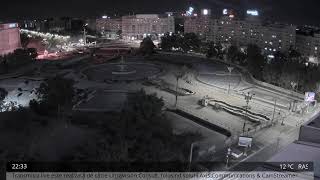
Strada Republicii and Bulevardul Revoluției
Webcam Romania
6.8K subscribers
Fălticeni, Suceava, Romania

Strada Republicii and Bulevardul Revoluției
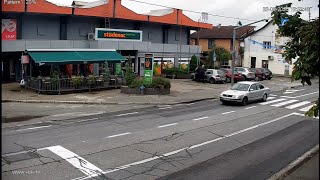
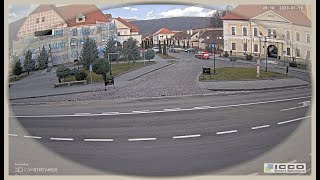
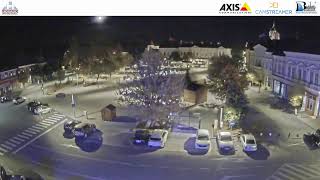
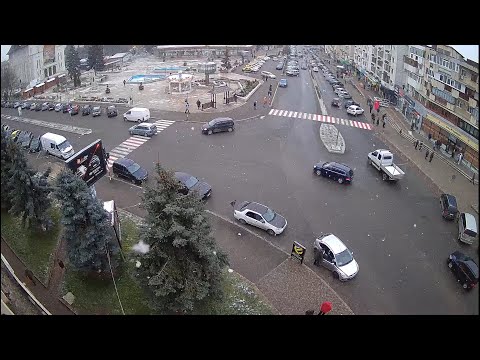
This live webcam stream captures the vibrant intersection of Strada Republicii and Bulevardul Revoluției in Arad, a city in western Romania. Surrounded by elegant architecture and bustling street life, this area offers a real-time glimpse into one of the city's key central zones, rich in history and daily activity.
Fălticeni, Suceava, Romania
 RO
RO- Foltischeni
- Falticsén
- פאלטישאן
Fălticeni is a town located in Suceava County within the northeastern region of Romania. Situated in the historical area of Western Moldavia, it lies in the southern part of the county, approximately 25 kilometers from the county seat of Suceava. The European route E85 crosses through the city, connecting it to other major urban centers such as Roman, which is situated 80 kilometers to the south. It serves as an important administrative and cultural hub in this part of the country.
The earliest written mention of the settlement, then known as Folticeni, dates to March 1490, with a second reference appearing in 1554 when Prince Alexandru Lăpușneanu awarded the estate to Moldovița Monastery. It was first identified as an urban settlement in August 1780 as Târgul Șoldănești before its name was officially changed to Fălticeni by an edict in March 1826. The town served as the capital of Baia County from 1929 to 1950 and was declared a municipality in 1995.
The town covers an area of 28.76 square kilometers, with a quarter of the land dedicated to orchards and lakes. It administers two villages, Șoldănești and Țarna Mare, and is known for its high concentration of Romanian writers, artists, and scientists who were born or lived there. The architecture includes historic monuments such as the Ion Irimescu Art Museum building, which dates from the mid-19th century and was originally used for various purposes before becoming a museum.
Fălticeni is renowned for its cultural heritage, hosting four museums that highlight its intellectual history. These include the Ion Irimescu Art Museum, the Mihai Băcescu Water Museum, and memorials dedicated to notable figures like Mihail Sadoveanu and the Lovinescu family. The town was a center for the Faltishan Hasidic dynasty founded in 1921 and remains a significant site for those interested in Romanian literary history and Jewish heritage.
According to the 2021 census, the population of Fălticeni is 23,902. The local economy has historically relied on chemical manufacturing, glass production, soft drinks, clothing, wood products, and fishing, though many industries have declined since the Communist era. Access to the national railway system is available via the Dolhasca train station, located 24 kilometers away, providing connectivity for residents and visitors alike.
 The EARF Engine