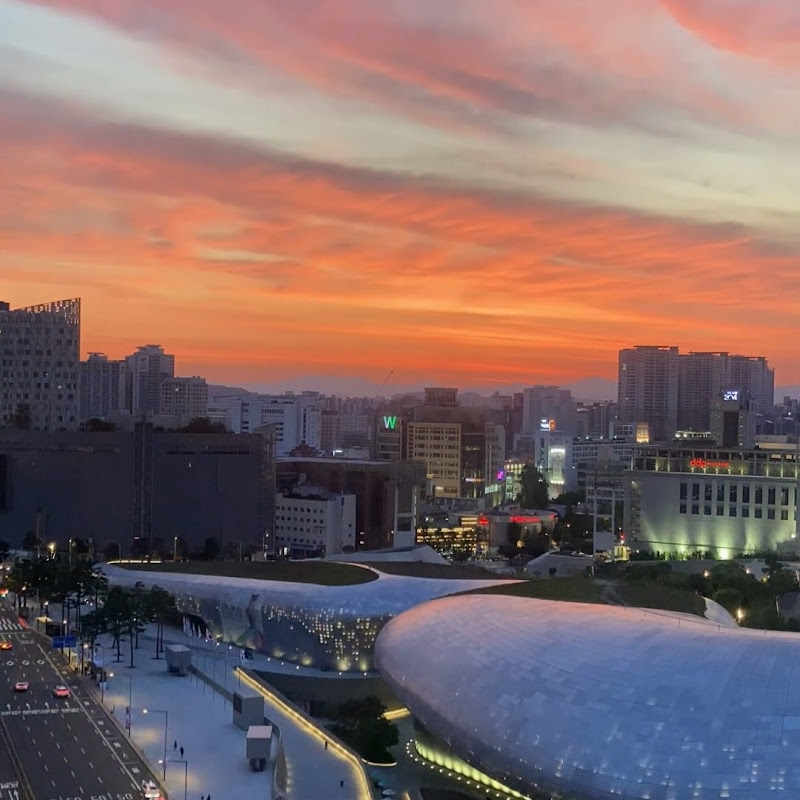

Seoul, South Korea
 KR
KR- Keijō
- Gyeongseong
- Hanyang
Seoul, officially the Seoul Special Metropolitan City, serves as the capital and largest city of South Korea. It is also recognized as the largest city in the entire Korean peninsula. The broader Seoul Metropolitan Area, which encompasses Seoul, Gyeonggi Province, and Incheon, emerged as the world's sixth-largest metropolitan economy in 2022. This region hosts more than half of South Korea's population, solidifying its status as a primary economic hub in East Asia.
The city's history traces back to 18 BC when it was founded by the people of Baekje, one of the Three Kingdoms of Korea. During the Joseon dynasty, Seoul was officially designated as the capital and surrounded by the Fortress Wall of Seoul. In the early 20th century, the Empire of Japan occupied the city, temporarily renaming it Keijō. The Korean War brought fierce battles that left the city mostly in ruins before significant reconstruction and rapid urbanization followed.
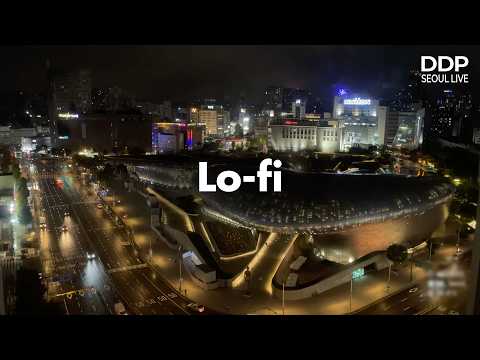
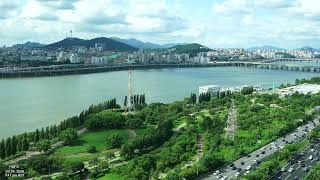
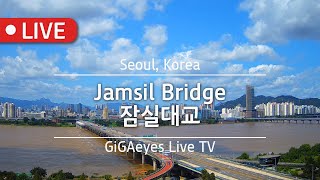
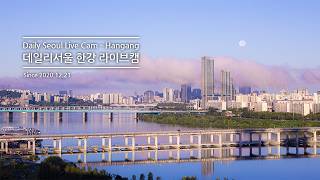
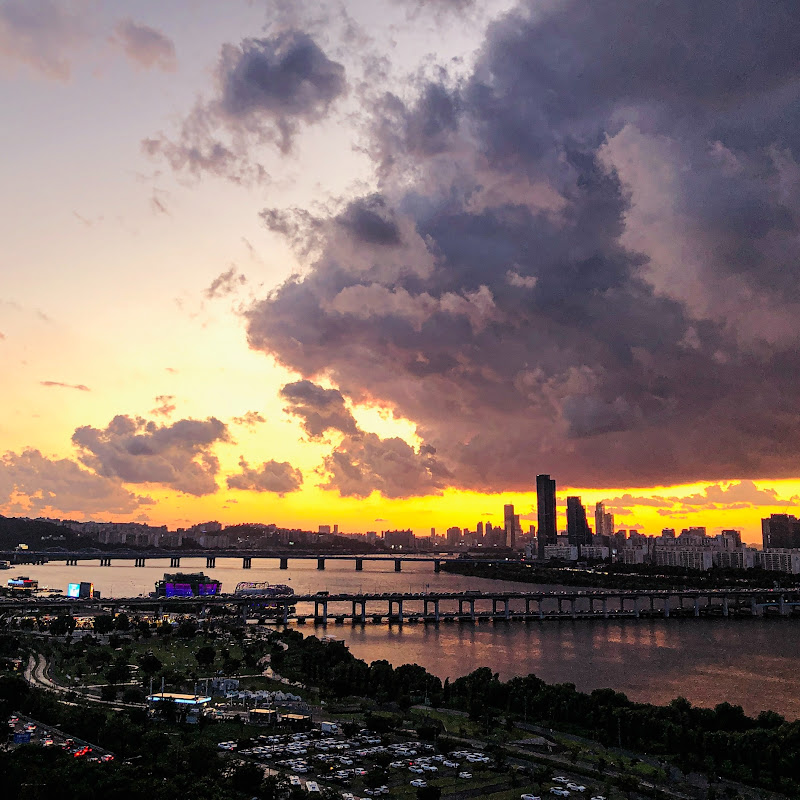
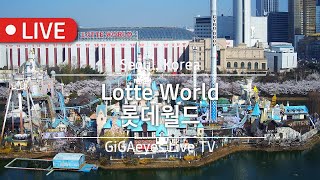
Geographically, Seoul is set in mountainous and hilly terrain with Bukhansan on its northern edge. The Han River splits the city into Gangbuk, the more historical north, and Gangnam, the wealthier south. Within the capital area lie five UNESCO World Heritage Sites, including Changdeokgung and Hwaseong Fortress. Iconic modern landmarks include the N Seoul Tower, Lotte World Tower, and Dongdaemun Design Plaza, reflecting a blend of ancient traditions and cutting-edge architecture.
Seoul is a national hub for music, entertainment, and cultural industries that have propelled K-pop to international prominence. The city has hosted major events such as the 1988 Summer Olympics and the 2010 G20 Seoul summit. It is rated Asia's most livable city and has served as a leading host of global conferences. Visitors encounter a dynamic environment featuring vast nightlife districts, street food vendors, and serene Buddhist temples alongside high-pressure educational systems.
Seoul had a population of 9,668,465 as of 2020, though figures peaked above 10 million before gradually decreasing. The city hosts 15 Fortune Global 500 companies, including Samsung and Hyundai, with a GDP per capita of approximately $40,000. While the de facto administrative capital has shifted to Sejong City, Seoul remains the national capital by constitutional custom. It is ranked seventh in the Global Power City Index and Global Financial Centres Index.
 The EARF Engine








![Busan Haeundae Live [부산 해운대 라이브] thumbnail](https://yt3.ggpht.com/JoY2eLuWbI33ilXhXMtHPC31IwGewjCQK0sTM44Oa3uGZPZe04RDSyHva9NRKtUs_eO9mO_b5A=s800-c-k-c0x00ffffff-no-rj)