








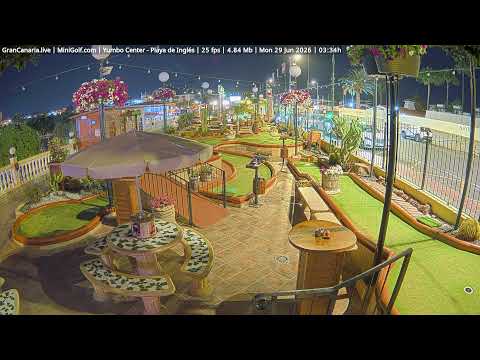


San Bartolomé de Tirajana, Las Palmas, Spain
 ES
ES- San Bartolome de Tirajana, Las Palmas
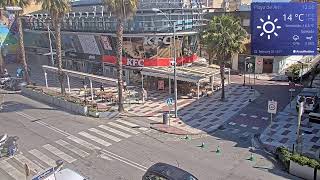
San Bartolomé de Tirajana is a municipality located in the south-western part of the island of Gran Canaria within the Las Palmas province of the Canary Islands, Spain. It serves as a significant administrative unit covering a triangular area with its vertex in the interior and a wide base along the southern coast. The municipal capital is the village of San Bartolomé de Tirajana, situated in the mountains at approximately 900 meters elevation, while the rural nucleus of Tunte also holds capital status at 850 meters above sea level.
The municipality has evolved from a rural agricultural base into a major tourist destination, adapting its economy to meet modern demands. Historical development is marked by the transition from traditional farming to coastal tourism, with urban land expanding significantly between 2006 and 2010 according to Cadastre data. The area preserves heritage through the modernization of accommodation plants and the preservation of artistic values, while new developments like theme parks reflect its ongoing economic adaptation.
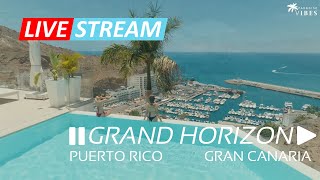
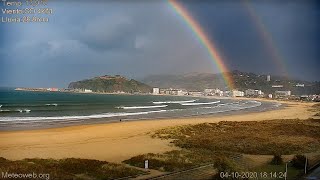
The landscape is defined by long golden sand beaches, the Maspalomas dune field, and brackish water pools along the coast, contrasting with rocky northern ends and cliffed southern sections. Protected areas include Pilancones Natural Park, the Riscos de Tirajana Natural Monument, and the Fataga Protected Landscape. The interior features deep ravines and mountains reaching 1,957.3 meters at Morro de la Agujereada, while the coastal plain gradually rises toward the island's center.
Tourism drives the local culture, with high season extending from September to April due to mild temperatures attracting European visitors. The area offers diverse attractions including the British School of Gran Canaria South Campus and various water sports facilities at Punta de Tarajalillo. Visitors are drawn to the natural protected areas, which form part of the Natura 2000 Network, and the unique combination of coastal leisure and mountainous natural reserves.
The population is 54,291 as of 2025, with most residents living along the Atlantic coastline. Tourism remains the primary economic activity, supported by GC-1 motorway connections to Las Palmas de Gran Canaria and Gran Canaria Airport. The climate features low winter rainfall and pleasant temperatures year-round, with an average annual temperature of 15.8 °C, making it a consistent destination for tourism and outdoor activities.
 The EARF Engine