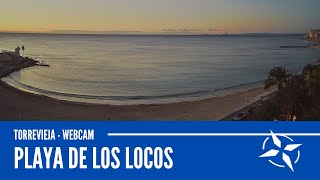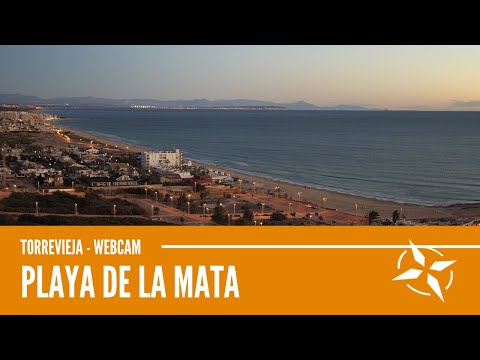


Playa de La Mata
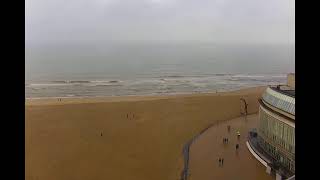
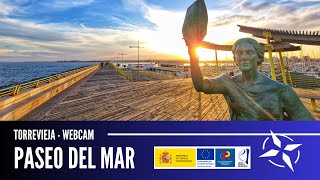
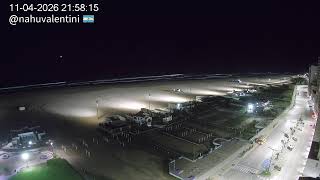
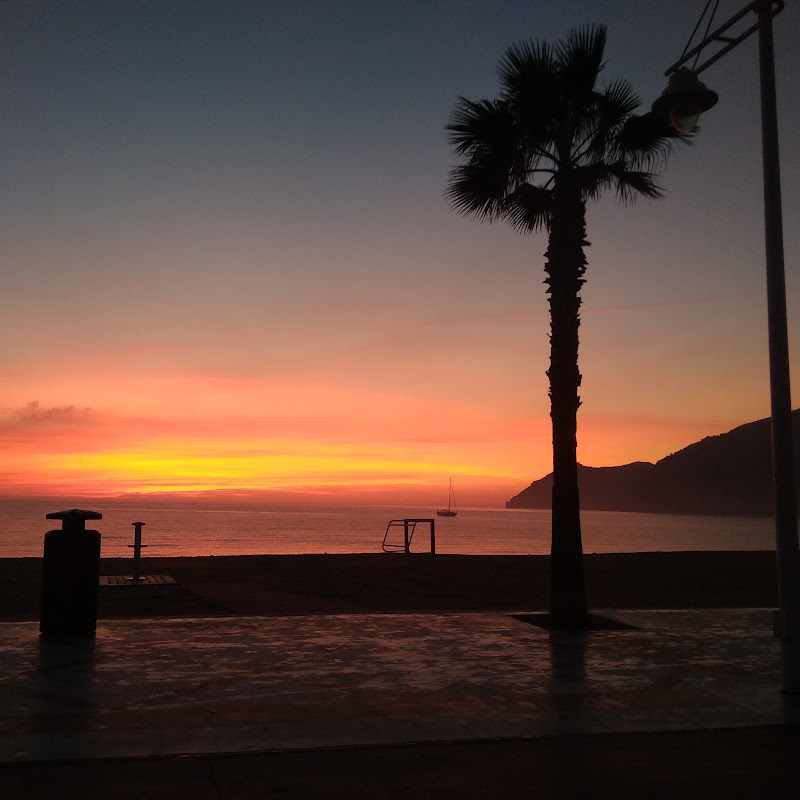
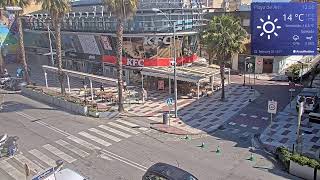
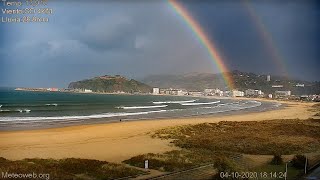
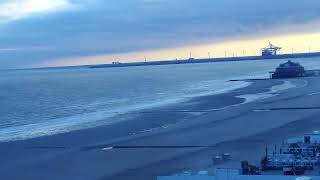
This panoramic HD webcam stream offers a sweeping live view of Playa de la Mata’s golden sands, the sparkling sea, and the bustling waterfront of Torrevieja, a charming city in southeastern Spain. Rich in history and natural beauty, Torrevieja boasts notable landmarks such as its pristine beaches and the famed salt lagoons (Las Salinas). Situated on the Costa Blanca along the Mediterranean coast in the province of Alicante, this destination seamlessly blends cultural heritage with a vibrant seaside atmosphere.
Torrevieja, Alicante, Spain
 ES
ES- Torrevella
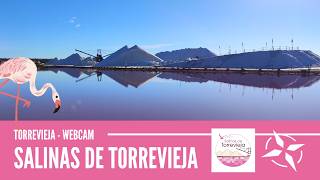
Torrevieja is a Mediterranean-seaside city and municipality located on the Costa Blanca within the province of Alicante, Valencian Community, in southeastern Spain. It sits between the Mediterranean Sea and two large pink salt lakes known as Las Salinas de Torrevieja. The city lies approximately 50 kilometres south of the city of Alicante and is situated within the district of Vega Baja. Administratively, it serves as a coastal center for tourism and holds the status of a municipality in one of the only Spanish-speaking areas of the Valencian Community.
The town's name literally means 'old tower', derived from an ancient guard tower that once stood near random cottages and desolate dwellings. Until the 1800s, it remained a small settlement until King Charles IV relocated salt-mine production and offices from La Mata to Torrevieja in 1803. Although the town was totally levelled by an earthquake in 1829, the salt basins were recovered and business resumed. In 1931, Alfonso XIII granted Torrevieja city status by special grant, marking a significant milestone in its administrative development.
The character of the city is defined by its industrial heritage and natural geography, featuring the Museum of Sea and Salt and the two salt lagoons designated as natural parks. Notable landmarks include the Iglesia Arciprestal de la Inmaculada Concepción, erected in 1789, and the Panoramic viewpoint La Torre del Moro. The area also contains the largest water desalination plant in Europe, built by Acconia, which supplies water to customers across Northern Europe. The city features a mix of historic structures and modern developments along its coastline.
Tourism has driven exponential economic growth since the mid-20th century, attracting visitors from Spain and abroad. The city is known for its beaches, including Playa de la Mata and Playa del Cura, and hosts events like the International Music Auditorium performances. A strong contingent of British, Irish, German, and Scandinavian citizens reside there year-round, leading to the nickname 'Costa del Yorkshire' due to the high number of residents from Yorkshire. The local culture reflects this diversity with international influences visible in dining and community life.
The population was 98,533 as of 2025, having grown significantly from 25,000 in 1991 due to rezoning for building. The economy relies heavily on tourism and the salt industry, which remains a major employer. Transport links include the N-332 road and nearby airports in Alicante and Murcia, as the town lacks its own passenger port. The climate is classified as hot semi-arid with dry, mild winters and hot, very dry summers, making October the wettest month of the year for visitors to plan around.
 The EARF Engine