
Portland, Oregon, United States
 US
US- Rose City
- City of Roses
- Stumptown
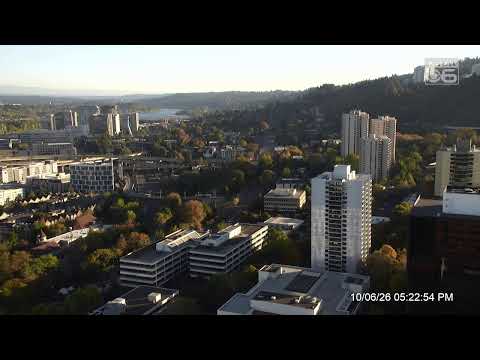
Portland is the most populous city in the U.S. state of Oregon, situated in the Pacific Northwest at the confluence of the Willamette and Columbia rivers. It serves as the seat of government for Multnomah County, which is the most populous county in the state. The city lies near volcanic features such as Mount Tabor and is close to active faults, positioning it within a region shaped by massive ice-age floods that once filled the Willamette Valley with hundreds of feet of water.
The area was inhabited for centuries by Chinookan peoples before European American settlers arrived in the 1840s. A new settlement emerged ten miles from the Willamette River's mouth, initially referred to as Stumptown due to the cleared trees. In 1844, a coin toss determined that the town would be named Portland after Portland, Maine. It was incorporated on February 8, 1851, with over 800 inhabitants, and later became a major port and lumber center in the 19th century.
The city is divided into six addressing sectors and comprises diverse neighborhoods with a blend of historic and modern architecture. Notable sites include Forest Park and Washington Park in the hills west of Downtown, which offer trails and wildlife. The urban environment is characterized by lush parks, gardens, and stately Douglas-fir trees. Portland also features professional sports teams such as the Trail Blazers, Timbers, and Thorns, alongside an extensive collection of zine and independent publishers.
Portland has been called the City of Roses for more than a century due to its climate being ideal for growing them. The annual Portland Rose Festival is held in June, originating from the movement to make the city a Rose City. The city is known for its vibrant music and performing arts scene, excellent microbreweries, and eco-friendly urban planning policies. It also has one of the largest and most integrated gay and lesbian communities in the United States.
Portland had a population of 652,503 at the 2020 census, with the metropolitan area holding over 2.54 million residents. Its economy is driven by technology, athletic and outdoor brands, shipping, and craft industries. The city operates with a mayor–council government system and prioritizes sustainable transportation options within an urban growth boundary. The climate features warm, dry summers and cool, rainy winters, supporting its reputation as a green and scenic destination.
 The EARF Engine