

Markt Lokeren
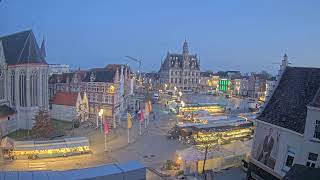
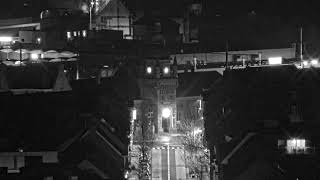
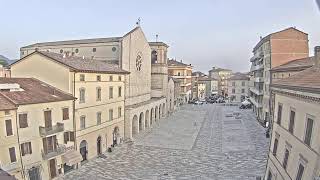
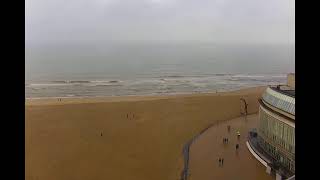
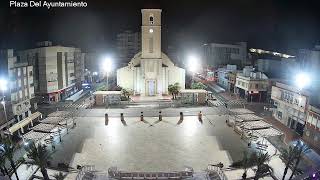
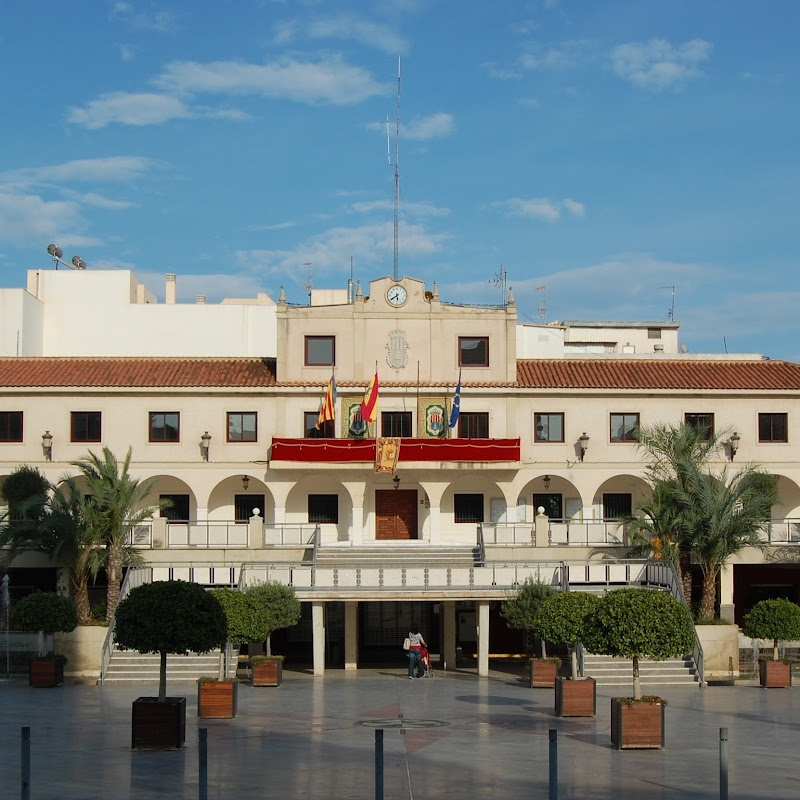
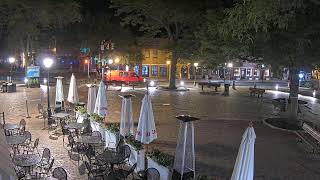
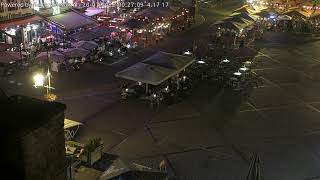
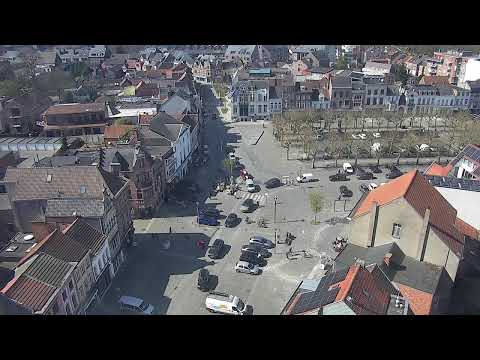
The live webcam at Markt Lokeren offers a real-time view of the central square in Lokeren, East Flanders, Belgium. This bustling area, known as Grote Markt, serves as the heart of the city, showcasing its rich history and vibrant community life. The webcam provides a panoramic perspective of the square, capturing the daily activities and events that take place in this lively urban space.
Lokeren, East Flanders, Belgium
 BE
BELokeren is a city and municipality situated in the Belgian province of East Flanders. It lies within the Waasland region, also known as Land van Waas, where it serves as the second most important urban center after Sint-Niklaas. The settlement is geographically defined by its position on the river Durme and the Lede, while also being accessible via the E17 motorway.
Archaeological evidence indicates Neolithic habitation, with a Roman road following the Durme river through the area. The name Lokeren first appeared in 1114, evolving from an enclosed place between the river and forest. Napoleon Bonaparte officially promoted the town to city status in 1804, and it later became part of the arrondissement of Dendermonde after administrative divisions shifted in 1800.
The city center features a major junction of regional roads and the Markt square, which connects to the Durme via a historic quay. Notable landmarks include the Church of Saint Laurence, built in 1725, and the Town Hall. The urban landscape reflects its industrial past, with many houses originally constructed for blue-collar workers in sectors like hat manufacturing and linen bleaching.
Lokeren is culturally known as "The Durme City" due to its location on the river. It hosts the Lokerse Feesten, a major annual music festival held from late July to early August. The local culinary identity includes horse sausages, officially recognized as a regional product, and the city offers access to nature reserves and hiking opportunities in the northern green areas.
The municipality had a population of 42,703 as of 2022. Its economy has diversified from its historical reliance on textile and hat industries to include modern logistics and chocolate warehousing. Access is facilitated by Lokeren Railway Station on the Ghent-Antwerp line and major roads like the N70, supporting its role as a regional hub in East Flanders.
 The EARF Engine