

Piazza Giuseppe Mazzini
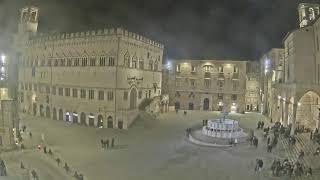
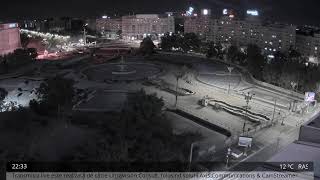
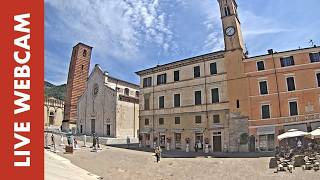
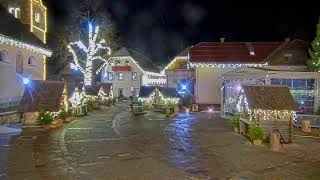
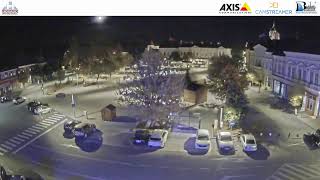
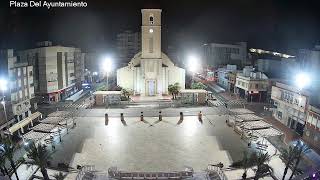
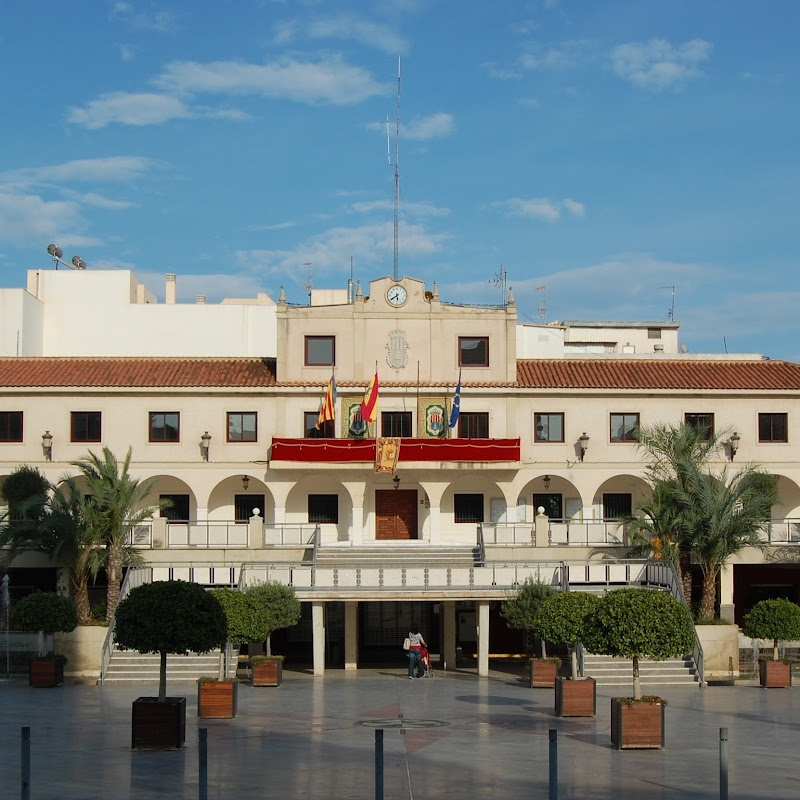
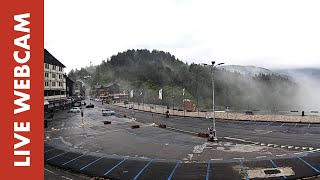
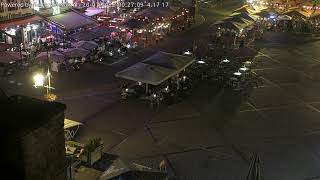
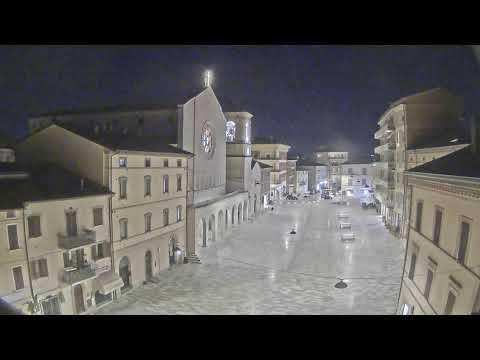
This live stream shows Piazza Giuseppe Mazzini in Bastia Umbra, a central square in the province of Perugia, Umbria. The camera overlooks daily activity, local shops, and the surrounding streets in the heart of town.
Bastia Umbra, Perugia, Italy
 IT
ITBastia Umbra is a comune situated in the Province of Perugia within the Umbria region of Italy. Located in the Umbrian Valley at an average elevation of 200 metres, it occupies an open plain with its horizon limited to the east by Monte Subasio. The town lies approximately eight miles east of Perugia and borders the municipalities of Assisi, Bettona, and Torgiano. Its territory is traversed by the Chiascio river, along with the Tescio and Cagnola watercourses, which feed canals running along the western side of the historic town walls.
The settlement was first documented in the thirteenth century under names such as Insula Cipi and Insula Romana, derived from ancient marshes that surrounded the area. By the late fourteenth century, it adopted the name Bastia following the construction of fortifications with bastions and towers. Control of the town alternated between Perugia and Assisi during medieval conflicts, and it later fell under the dominion of the Baglioni family of Perugia. In 1580, Bastia became part of the Papal State, a status that continued until the establishment of the Kingdom of Italy.
The historic center features remnants of its fortified past, including a largely preserved fortress and structures converted into dwellings after the dismantling of earlier bastions. Key landmarks include the collegiate church of Santa Croce, built in 1295 with a bichrome stone façade and interiors containing works by Niccolò Alunno and Tiberio d'Assisi. Other notable sites are the Romanesque church of San Paolo delle Abbadesse, which hosted Clare of Assisi in 1212, and the church of San Rocco, enlarged during a seventeenth-century plague outbreak.
Cultural heritage is preserved through significant religious architecture and historical narratives tied to the Franciscan order and local nobility. The town hosts trade fairs and livestock exhibitions, including Agriumbria and an agricultural machinery show, which have been held since 1969. These events highlight the area's deep agricultural roots and community traditions, drawing visitors interested in the region's historical evolution from a fortified medieval settlement to a modern municipal center.
The population of Bastia Umbra was recorded at 21,199 as of 2023. The local economy has evolved from nineteenth-century agriculture and artisan trades to include manufacturing sectors such as food preserves, milling, furniture production, and shop fitting. Urban expansion followed World War II, supported by industrial growth. The town is accessible via its position in the Umbrian Valley, with nearby geographical features like Monte Subasio defining its landscape.
 The EARF Engine