

Hammelburg
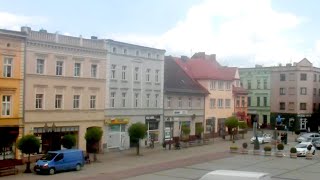
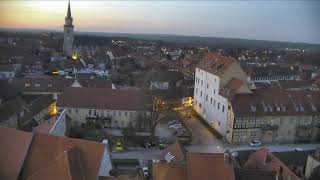
This live webcam, perched high atop Saaleck Castle, offers a breathtaking panoramic view over Hammelburg, Germany’s oldest wine-growing town. From this elevated vantage point, you can admire the rolling Franconian hills, the lush vineyards surrounding the valley, and the charming rooftops of Hammelburg below — a timeless scene that beautifully captures the region’s historic and natural charm.
Hammelburg, Bavaria, Germany
 DE
DEHammelburg is a town situated in the district of Bad Kissingen within the Lower Franconia region of Bavaria, Germany. It lies on the banks of the river Franconian Saale, positioned approximately twenty-five kilometers west of Schweinfurt. The settlement occupies a strategic location at a ford on the river, historically marking the intersection of major east-west and north-south trade routes. As an established municipal entity, it serves as a local administrative center in this part of southern Germany.
The town was first documented on 18 April 716 as Hamulo Castellum when Hedan II, Duke of Thuringia, donated the place to Saint Willibrord. Subsequent developments included Carloman bequeathing Saint Martin's Church to Saint Boniface in 741 and Charlemagne donating the area to the Abbey of Fulda in 777. Town privileges were granted in 1303 under King Albrecht, leading to the construction of defensive walls and towers. The town remained under Fulda's influence until 1803, later passing through various political entities before joining the Kingdom of Bavaria in 1816.
Hammelburg is recognized as the oldest winegrowing town, or Weinstadt, in Franconia. Its architectural heritage includes the Gothic-era parish church built between 1389 and 1461, which survived a devastating fire in 1854 that destroyed other parts of the city. The Renaissance market well, completed in 1541, and the current city hall, occupied in 1859, are notable landmarks. Remnants of the medieval fortifications include the Guardian, Monk, and Baderturm sections of the southern city wall.
The town's cultural identity is deeply rooted in its winegrowing traditions and complex religious history. Despite early support for the Lutheran faith, the city returned to Catholicism by force in 1604, causing many Protestant families to leave. The area also holds historical significance from World War II as the site of POW camps OFLAG XIII-B and Stalag XIII-C, which inspired the fictional setting of Hogan's Heroes. Today, it offers visitors architectural monuments, restaurants, and hotels.
As of 2024, Hammelburg has a population of 10,694 residents. The local economy benefits from its status as a winegrowing center and tourism driven by its historical sites. Access to the town is facilitated by motorway connections, making it reachable for visitors exploring the region. The area provides amenities such as sports centers with swimming pools and tennis courts, alongside hiking trails and recreation sites that attract tourists throughout the year.
 The EARF Engine