









Port of Hamburg
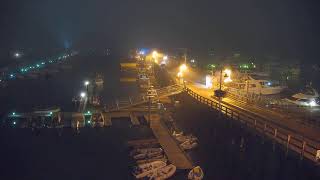
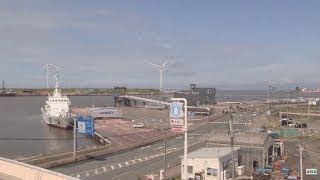
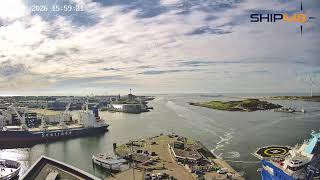
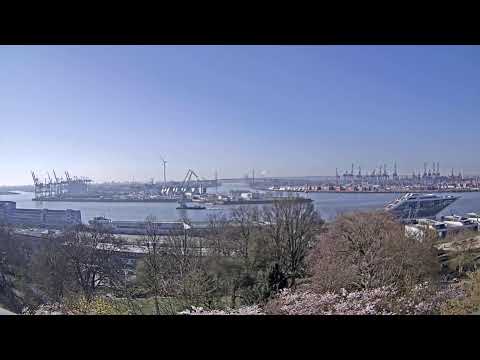
This live view captures Germany’s largest seaport, the Port of Hamburg, as container ships arrive and depart along the Elbe River, cranes sweep overhead and the city’s harbour lights reflect on the water. It offers an engaging look at a major global trade hub and vibrant maritime gateway where logistics, city life and river traffic converge.
Hamburg, Germany
 DE
DE- Hamburg
- Hansestadt Hamburg
Hamburg, Germany is a city-state located in the north of the country, bordering the states of Schleswig-Holstein and Lower Saxony. It is the second-largest city in Germany by population and the eighth-largest city in the European Union. Hamburg is situated on the Elbe River, approximately 100 kilometers from the North Sea.
Hamburg is classified as a metropolitan borough and a federal state within Germany. The city has a population of over 1.8 million people, with a metropolitan area population of around 5.1 million. Hamburg is a major port city, with the Port of Hamburg being one of the busiest ports in Europe and a significant economic driver for the region.
The city is known for its rich cultural heritage, including numerous museums, theaters, and music venues. Hamburg is home to the famous Reeperbahn nightlife district, as well as the Elbphilharmonie concert hall, which is one of the largest and most acoustically advanced concert halls in the world. The city is also a significant hub for media, publishing, and education.
Hamburg has a long history dating back to the 12th century and has played a major role in European trade and commerce for centuries. The city is a member of the Hanseatic League, a confederation of merchant guilds and cities that dominated trade in Northern Europe from the 13th to the 16th century. Today, Hamburg is a thriving economic and cultural center, attracting millions of visitors each year.
 The EARF Engine