Live stream unavailable
This camera is offline or temporarily unavailable. It may be under maintenance, having technical trouble, or it may have been removed by the provider. Listings are monitored continuously and this page updates when the stream returns.

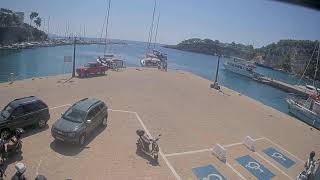
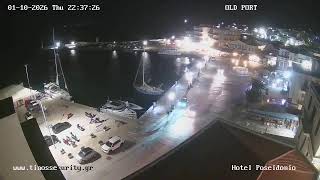
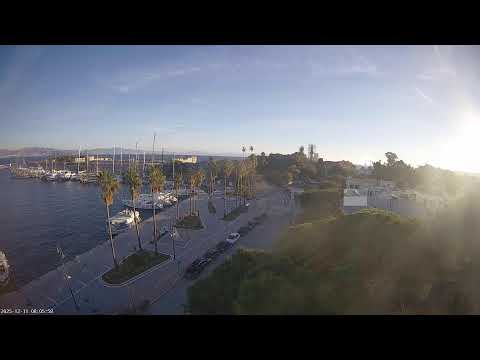
Limenas Ko Harbour
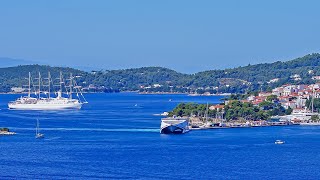
This live stream shows the harbour of Kos Town (also known as Limenas), the main port and capital of the Greek island of Kos in the South Aegean's Dodecanese archipelago. Located at the northern end of the island, this historic harbor is dominated by the impressive Castle of the Knights of Saint John, built in the 14th century at the entrance to the port.
Kos, South Aegean, Greece
 GR
GR- Kos Island
- Cos
- Κως
Kos is a Greek island situated in the southeastern Aegean Sea, forming part of the Dodecanese island chain. Administratively, it constitutes a municipality within the Kos regional unit, which belongs to the South Aegean region. The principal town and seat of this municipality shares the island's name, serving as the primary population center and port for the area.
The name Kos appears in Homer's Iliad and has been in continuous use since antiquity, with other ancient names including Meropis and Cea. In classical mythology, the founder-king was Merops, and the island was colonized by Carians before Dorians established a colony in the 11th century BC. It later joined the Delian League and served as an Athenian station before falling under various powers, including the Ptolemies and the Knights Hospitaller.
The island measures 42.1 by 11.5 kilometres with a coastline of 112 kilometres, featuring promontories like Cape Skandari and Cape Lacter. The main villages include Kardamena, Kefalos, Tingaki, Antimachia, Mastihari, Marmari, and Pyli, alongside smaller settlements such as Zia and Zipari. The landscape includes Quaternary layers containing fossil remains of mammals like horses and elephants.
Tourism is the main industry, with beaches being the primary attraction for visitors. Kos town acts as a cultural hub with whitewashed buildings, hotels, and a nightlife district, while Kardamena is a popular resort for young holidaymakers. The island also offers ferry connections to neighboring islands and Bodrum, Turkey, facilitating access for tourists seeking its historical and natural sites.
According to the 2021 census, Kos has a population of 37,089, making it the second most populous of the Dodecanese after Rhodes. Farming is the second principal occupation, with crops including grapes, almonds, figs, olives, and tomatoes. The island experiences a hot-summer Mediterranean climate, supporting its role as a significant tourist destination in the Greek islands.
 The EARF Engine