
Minato-ku, Tokyo, Japan
 JP
JP- Minato City
- Minato Ward
- Minato
Minato is a special ward located in central Tokyo, Japan, situated southwest of the Imperial Palace. Its name translates to "port," reflecting its historical seaside location, although extensive land reclamation has moved many areas far from the water. The ward shares boundaries with Chiyoda, Chūō, Kōtō, Shinagawa, Shibuya, and Shinjuku, positioning it as a critical hub within Tokyo's metropolitan structure.
The ward was established on March 15, 1947, through the merger of Akasaka, Azabu, and Shiba wards following Tokyo City's transformation into Tokyo Metropolis. Although Higashiminato was initially chosen, the name was shortened to Minato. The modern area exhibits a distinct geographical and cultural division between the Shitamachi commercial center in Shinbashi and the Yamanote residential districts of Azabu and Akasaka.
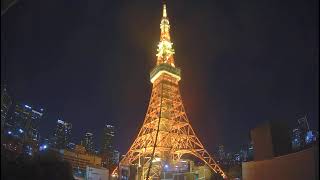
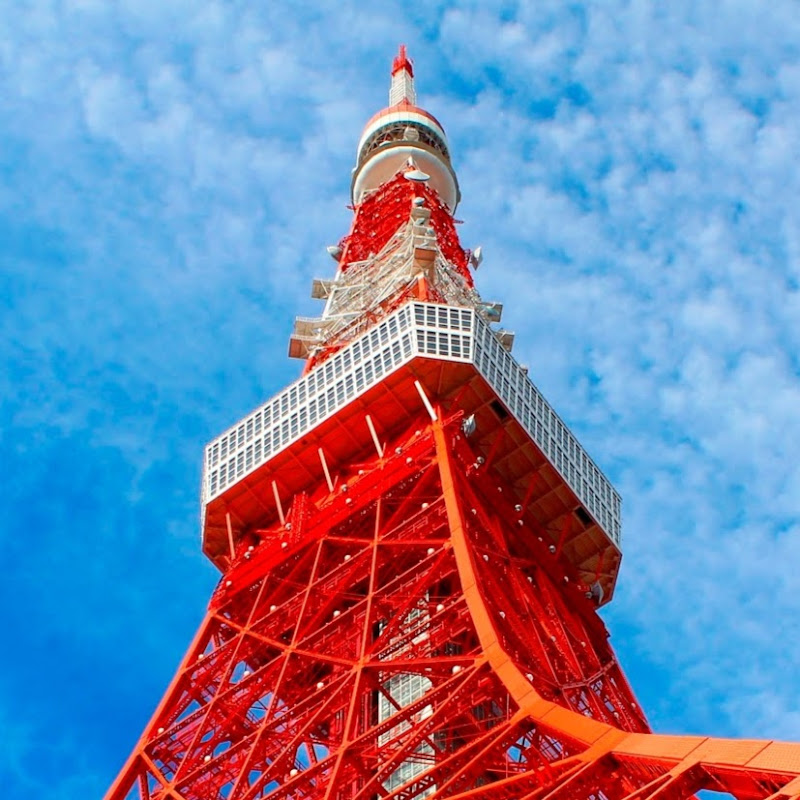
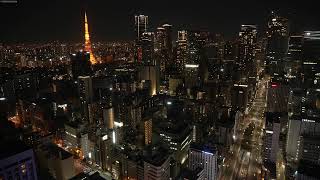
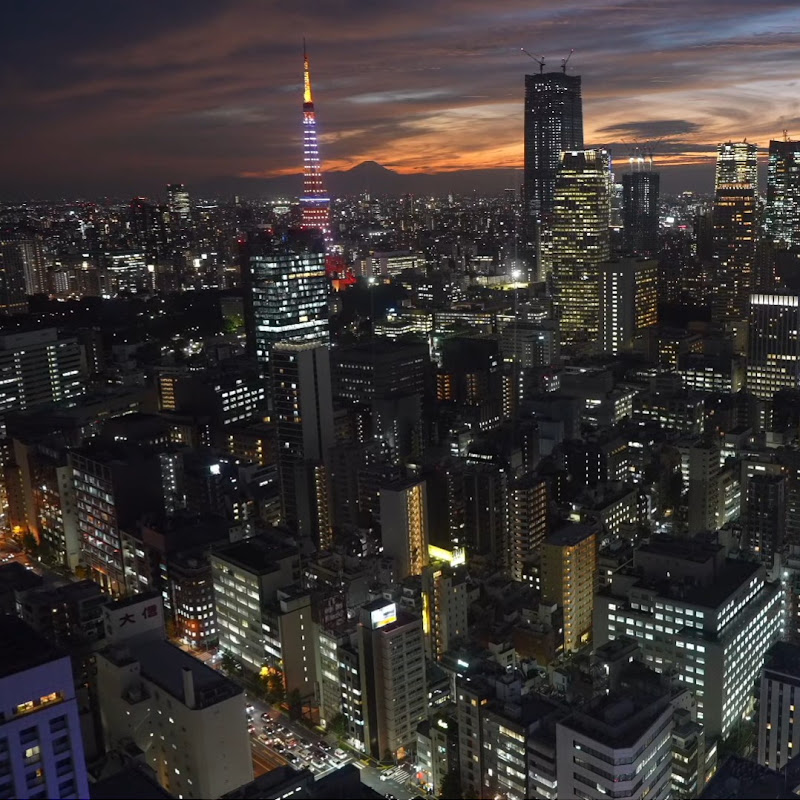
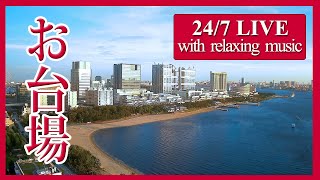
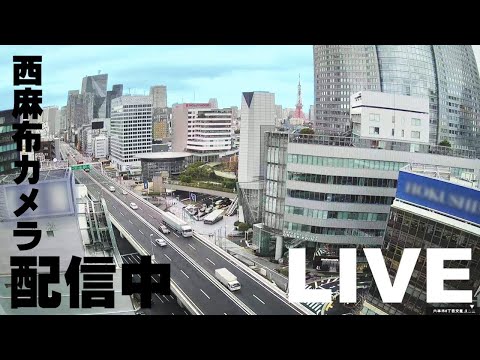
Minato is defined by its contrasting neighborhoods, including the upscale residential areas of Aoyama and Azabu, and the vibrant nightlife district of Roppongi. Notable landmarks include Tokyo Tower, Zōjō-ji Temple, and the National Art Center. The ward also encompasses Odaiba, an artificial island entertainment area connected by the Rainbow Bridge, and Atago Shrine, which marks the highest point in all 23 wards of Tokyo.
The area serves as a major center for foreign expatriates due to its high concentration of embassies and multinational corporations. It is home to prestigious universities such as Keio University and the University of Tokyo Institute of Medical Science. Cultural attractions include Aoyama Cemetery, one of Tokyo's largest graveyards, and numerous museums, drawing visitors interested in both historical heritage and contemporary art.
As of 1 September 2025, Minato had an official population of 269,708, with a density of 13,235 persons per km2. It hosts headquarters for major companies like Sony, Honda, and NEC. Transport is facilitated by extensive rail networks including the Yamanote Line and Tokyo Monorail, while the Takeshiba Passenger Ship Terminal provides boat access to the Izu and Ogasawara Islands.
 The EARF Engine