







Live stream unavailable
This camera is offline or temporarily unavailable. It may be under maintenance, having technical trouble, or it may have been removed by the provider. Listings are monitored continuously and this page updates when the stream returns.

Teotihuacán, Mexico
 MX
MX- Place of Reeds
- City of the Sun
- archeological site of Teotihuacan
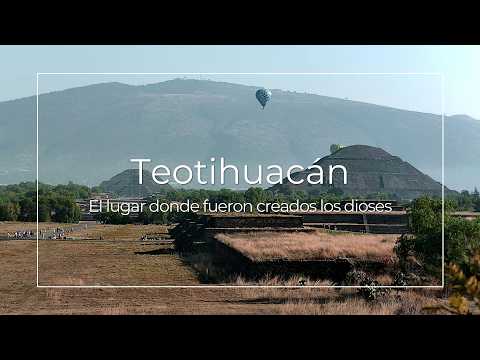
Teotihuacán is an ancient Mesoamerican city located in a sub-valley of the Valley of Mexico within the State of Mexico. Situated approximately 40 kilometers northeast of modern-day Mexico City, the site lies in the San Juan Teotihuacán municipality. It stands as a significant archaeological zone and UNESCO World Heritage Site designated in 1987, covering a total surface area of 83 square kilometers. The location serves as a major cultural landmark in central Mexico, distinct from later Aztec settlements despite its proximity to the capital.
The city is thought to have been established around 100 BCE, with major monuments continuously under construction until about 250 CE. It evolved from scattered villages into a huge urban center, reaching its zenith perhaps in the first half of the first millennium. The site was sacked and systematically burned around 550 CE, potentially due to extreme weather events between 535 and 536 CE. Although it predates the Aztec Empire by centuries, the later Aztecs claimed common ancestry with its inhabitants and adopted aspects of their culture.
Teotihuacán is renowned for architecturally significant Mesoamerican pyramids, specifically the Pyramid of the Sun and the Pyramid of the Moon. The city features complex multi-family residential compounds, the Avenue of the Dead, and vibrant, well-preserved murals. At its height, it contained approximately 2,000 buildings within an area of 18 square kilometers. The name Teotihuacán means Place of Reeds in Maya texts, though Aztec interpretations varied, with some scholars suggesting it meant City of the Sun.
The site attracts significant tourism, becoming the second most-visited archaeological site in Mexico in 2024 with 1,313,321 visitors. Its cultural influence is well-documented across Mesoamerica, with evidence of Teotihuacano presence found in Veracruz and the Maya region. The city was a multicultural hub where migrants from Oaxaca and the Gulf Coast lived alongside others. Today, many artifacts from the site are displayed at the National Anthropological Museum in Mexico City, drawing visitors to its grand architectural zone.
At its zenith, Teotihuacán was the largest city in the Americas, with a population estimated at around 100,000 during its height. It covered eight square miles, housing 80 to 90 percent of the valley's total population. The economy relied heavily on fine obsidian tools, which were exported throughout Mesoamerica from nearby mines that the city controlled. The site sits at an elevation of 2,300 meters, offering a preserved glimpse into pre-Columbian urbanism and religious life.
 The EARF Engine