
Saint Petersburg, Russia
 RU
RU- Petrograd
- Leningrad
- Sankt-Peterburg
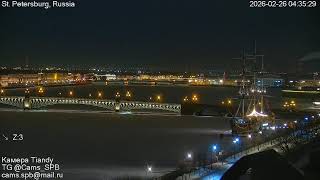
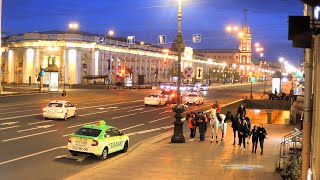
Saint Petersburg is a federal city in Russia situated on the Neva River at the head of the Gulf of Finland on the Baltic Sea. It serves as the nation's second-largest city after Moscow and functions as a historically strategic Baltic port. The city covers an area of 1,439 square kilometers, making it the smallest administrative division of Russia by land area. Its geographic position defines it as the northernmost metropolis with more than one million residents in the world.
Founded by Tsar Peter the Great on 27 May 1703, the city was built on the site of a captured Swedish fortress and named after the apostle Saint Peter. It served as the capital of the Russian Empire from 1712 to 1918, undergoing name changes to Petrograd in 1914 and Leningrad in 1924 before reverting to its original name in 1991. The Historic Centre of Saint Petersburg and Related Groups of Monuments constitute a UNESCO World Heritage Site, reflecting its well-preserved historical cityscape.
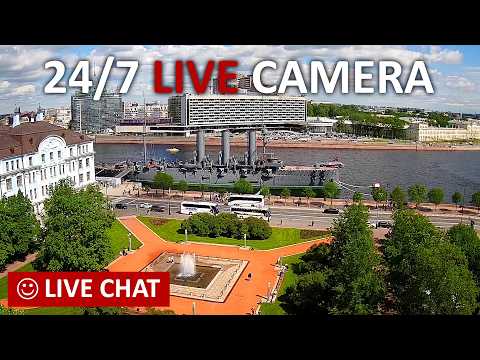
The city is characterized by its European-inspired architecture and numerous water corridors, earning it nicknames such as the Venice of the North and the City of the White Nights. Notable landmarks include the Hermitage, one of the world's largest art museums, and the Lakhta Center, which stands as the tallest skyscraper in Europe. The city also hosts the headquarters of the Russian Navy and the Leningrad Military District, alongside federal bodies like the Constitutional Court.
As Russia's cultural center, Saint Petersburg attracts over 15 million tourists annually, drawn by its rich history and vibrant arts scene. It was a host city for the 2018 FIFA World Cup and UEFA Euro 2020, highlighting its international appeal. The city is home to the National Library of Russia and has been associated with major figures in science and literature, maintaining its status as a key economic and tourism hub for both Russia and Europe.
The city had a population of 5,652,922 residents as of 2025, with more than 6.4 million people living in the metropolitan area. It is considered an important economic, scientific, and tourism center, having hosted significant global events and housed notable federal institutions. The urban environment combines strong Western European influences with Russian heritage, creating a unique cultural landscape that continues to draw visitors and residents alike.
 The EARF Engine