

Youngstown, New York, United States
 US
US- Village of Youngstown
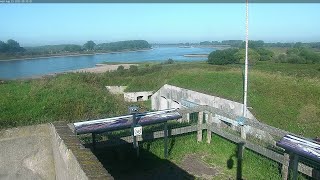
Youngstown is a village located in Niagara County, New York, within the United States. It sits on the western edge of the town of Porter at the international border with Canada, specifically across from Niagara-on-the-Lake, Ontario. The community lies north of the city of Niagara Falls and forms part of the Buffalo-Niagara Falls metropolitan area. Its position at the northwestern corner of the state places it where the Niagara River flows into Lake Ontario.
The village's early development occurred under the protection of Fort Niagara, with French explorer La Salle building a fort nearby in 1670. John Young established a store on the landing area in 1809 and purchased land in 1811 before the settlement was destroyed by British forces in 1813 during the War of 1812. Rebuilding began gradually, and the Village of Youngstown was officially incorporated in 1854, named after its founder.
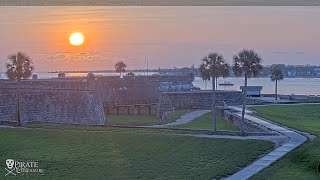
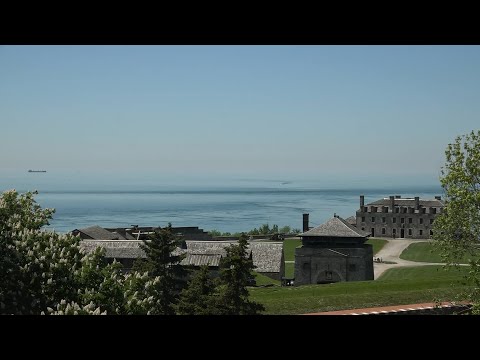
Youngstown is an historic village characterized by its proximity to Old Fort Niagara, a National Historic Landmark that welcomes over 100,000 visitors annually. The site features original military architecture from the 18th and 19th centuries and displays flags symbolizing the French, British, and American nations that held the fort. Several local sites, including the John Carter Farmstead and St. John's Episcopal Church, are listed on the National Register of Historic Places.
The area offers living history events, historical exhibits, and archaeology programs centered around its colonial past. The moderate climate and excellent fishing historically attracted farmers, leading to industries such as barrel making, fruit packing, and shipbuilding. Today, the village retains its historic character with concrete sidewalks replacing wooden ones and a fire department that evolved from a man-pulled hose cart into a fully equipped service.
As of the 2020 census, Youngstown had a population of 1,859 residents. The economy has shifted from its agricultural roots to include tourism driven by the fort and beach amusement parks. Transportation access includes New York State Route 18F paralleling the river and Route 93 intersecting within the village. The region experiences a hot summer humid continental climate with January and February temperatures averaging about 27 °F.
 The EARF Engine