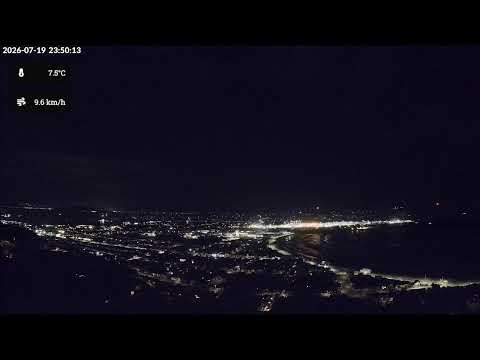


Lyall Bay Overview
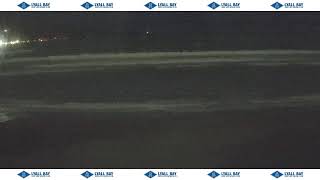
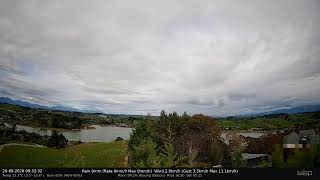
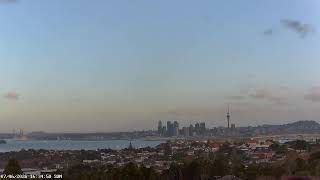
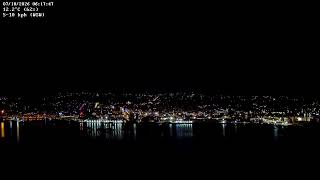
This live webcam provides a real-time overview of Lyall Bay in Wellington, New Zealand, overlooking one of the city's best-known coastal areas. Located on the southern side of Wellington, Lyall Bay faces Cook Strait and forms part of the coastline surrounding Wellington Harbour and the wider Wellington metropolitan area. The camera captures the changing conditions along the beach and surrounding coastline throughout the day. Depending on conditions, the live view may show waves, surfers, beach activity, coastal traffic and the surrounding landscape, while changing weather, tides, sunlight and cloud cover continually alter the appearance of the bay. Lyall Bay is a popular destination for swimming, surfing, walking and other recreational activities, with its broad sandy beach providing an open outlook toward the waters of Cook Strait. Its exposed position on Wellington's southern coast also means that wind and sea conditions can have a noticeable effect on the character of the beach and waves.
Wellington, New Zealand
 NZ
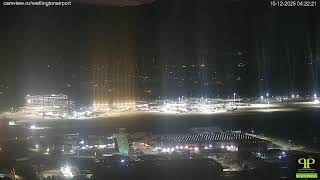
NZWellington serves as the capital and second-largest urban area of New Zealand, situated on the foreshore of Wellington Harbour and ringed by hills. It holds the distinction of being the world's southernmost capital city of a UN member state. The urban area is divided among four city councils: Wellington, Porirua, Lower Hutt, and Upper Hutt, all operating under the Greater Wellington Regional Council which manages shared services across the wider region including the Kapiti Coast and Wairarapa.
Wellington became New Zealand's capital in 1865, replacing Auckland to provide a more centrally located seat of government and quell South Island nationalist movements. Much of the central city was built on land raised after a major earthquake in 1855, with further land reclaimed since then. The shoreline from 1840 is marked by plaques on Lambton Quay, while the harbour's former name was Port Nicholson. Proposals for a super-city similar to Auckland's 2010 model have been put forward but failed due to local opposition.
The city offers a blend of culture, heritage, and fine food within a compact inner city experience surrounded by hills and rugged coastline. It is home to many national arts and cultural attractions, including the Museum of New Zealand Te Papa Tongarewa. The area features boutiques, art galleries, and trendy cafés, alongside a network of walking and biking trails. Its motto, Suprema a situ, claims site supremacy, reflecting its unique geographical position.
Wellington promotes itself as Absolutely Positively Wellington and is known for its vibrant arts scene, lively entertainment, and fine dining. The city provides access to beautiful wineries and vineyards just hours away. It serves as a hub for theatre, music, dance, and museums, drawing visitors with its scenic harbour and charming urban environment. The combination of cultural offerings and natural scenery defines its appeal to tourists and residents alike.
Wellington is home to 433,900 people, making it the second-largest urban area in New Zealand, trailing Auckland but preceding Christchurch. Its economy benefits from its role as the national capital and a center for arts and culture. The city's compact nature allows easy access to various amenities and natural attractions. While specific climate data is not detailed, its coastal location and hill-ringed geography contribute to its distinct character and visitor experience.
 The EARF Engine