Live stream unavailable
This camera is offline or temporarily unavailable. It may be under maintenance, having technical trouble, or it may have been removed by the provider. Listings are monitored continuously and this page updates when the stream returns.
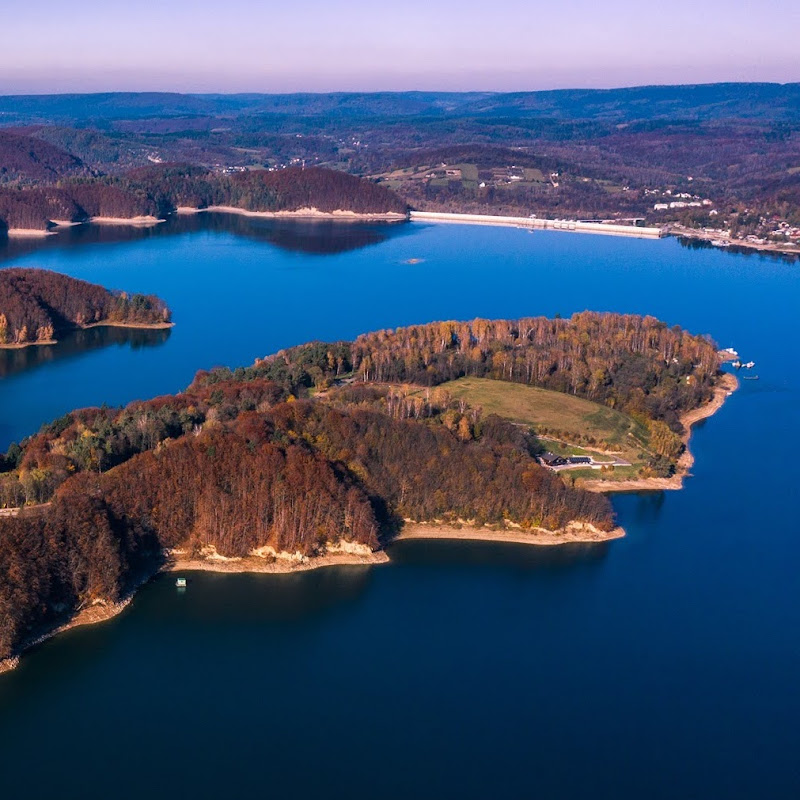

Basen Aquarius Lesko
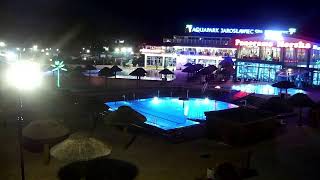
This live stream brings you inside Basen Aquarius Lesko, the modern indoor pool hall at the sports and recreation complex in Lesko, Poland. The view reveals the spacious 25 × 16 m swimming pool with clear blue water, surrounding deck, lounge areas, and recreational features. You’ll often see swimmers using the lanes, families enjoying the adjacent leisure pool, and kids splashing in the shallow play area.
Lesko, Subcarpathian Voivodeship, Poland
 PL
PL- Lisko
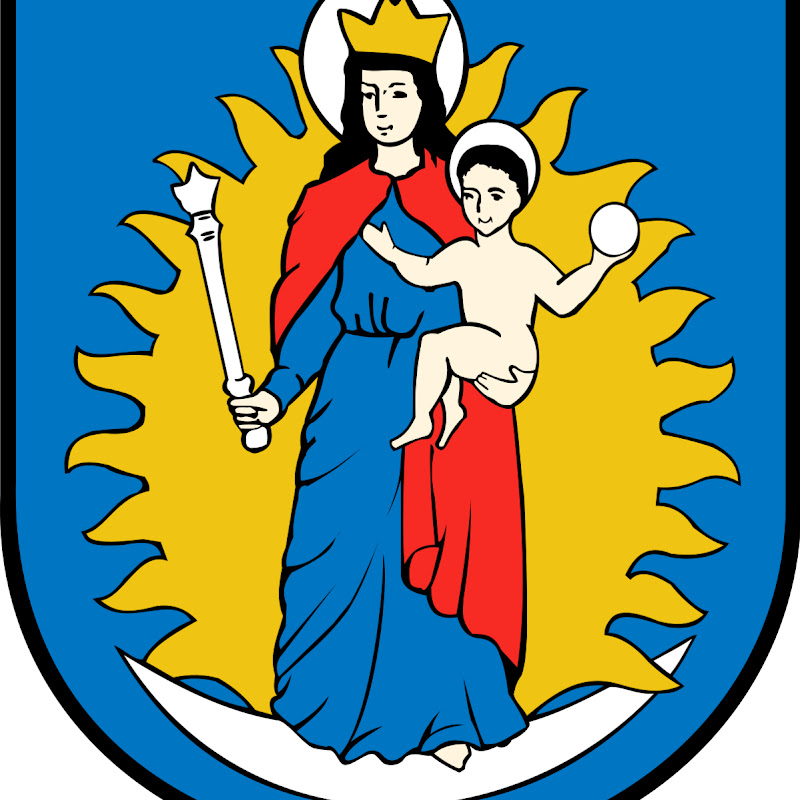
Lesko is a town situated in south-eastern Poland within the Subcarpathian Voivodeship, having held this administrative status since 1999. It lies in the heartland of the Doły region and serves as the capital of Lesko County, a role it has maintained since 2002. The settlement is positioned in the Bieszczady mountains, characterized by an average altitude of 390 metres above sea level, although hills are located within its immediate confines.
The town was likely founded in the fourteenth century, with records first mentioning it in 1436. It received its town charter around 1469 while owned by the Kmita family. Lesko experienced significant growth in the seventeenth century as a trade and craftsmanship centre before its heyday ended in 1704 when Swedish troops looted it during the Great Northern War. Following the First Partition of Poland in 1772, it became part of the Austrian Empire until Poland regained independence in 1918.
Historical architecture defines the town's character, including the Parish Church of the Visitation of the Most Blessed Virgin Mary, built in 1539 by Piotr Kmita Sobieński. The structure features late Gothic stone and brick construction with a Baroque interior from 1759 and a neogothic tower added in 1889. Other notable sites include the sixteenth-century Castle of the Kmita family, which once housed poet Wincenty Pol, and the Lesko Synagogue, built in the seventeenth century and now housing an art gallery.
Lesko serves as a gateway to the Bieszczady Mountains and attracts visitors through its numerous outdoor recreational clubs and hiking trails, including the European walking route E8. The town preserves its Jewish heritage through the Kirkut cemetery, one of Poland's oldest, containing over 2,000 headstones dating back to the sixteenth century. The Lesko Stone offers a popular geological formation for exploration, while the Town Hall building from 1896 stands as a civic landmark.
The population of Lesko was recorded at 5,254 as of 2021. A railway line passing three kilometres north of the town was constructed in 1872, facilitating access to the region. The area experiences an oceanic or humid continental climate depending on the isotherm used for classification. After recovering from wartime devastation and postwar territorial changes in the 1950s, the city continues to function as a regional hub with a focus on tourism and local heritage.
 The EARF Engine