
Pszczyna Main Market Square
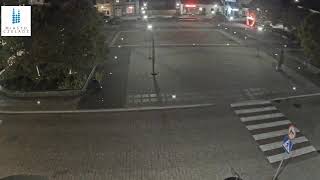
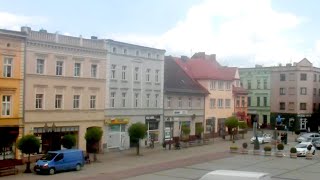
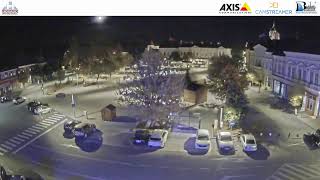
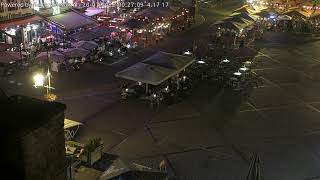
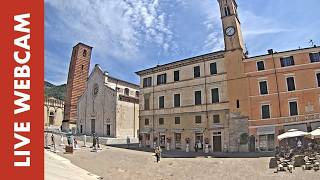
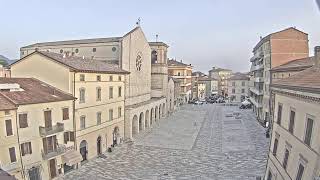
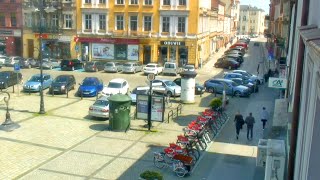
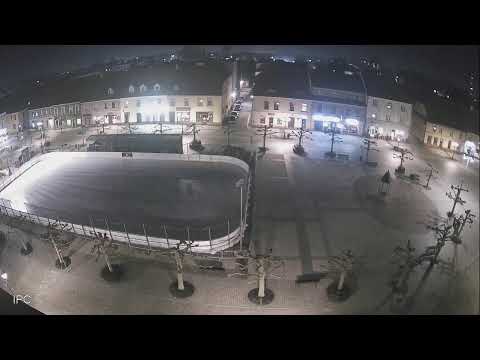
This live webcam shows the Main Market Square in Pszczyna, Silesian Voivodeship, Poland. The camera overlooks the historic heart of the town, where elegant pastel-colored townhouses frame the square and the distinctive town hall stands as a central landmark. The open plaza, paved walkways, and surrounding cafés create a calm and refined atmosphere, with everyday pedestrian movement bringing the scene to life. It offers a real-time view of this well-preserved old town setting, showing the atmosphere of the area.
Pszczyna, Silesian Voivodeship, Poland
 PL
PL- Pless
- Pština
Pszczyna is a town situated in the Silesian Voivodeship of southern Poland, serving as the administrative seat of both a local gmina and a county. Located near coordinates 49.9833 north and 18.9500 east, it occupies a strategic position within the region's historical landscape. The settlement evolved around a small gord and wooden church in what is now known as Stara Wieś, with the modern town center developing around the Market Square during the second half of the thirteenth century.
The area was historically part of Lesser Poland before being ceded to the Piast dukes of Opole and Racibórz. It later became a wittum for Helena of Lithuania and passed through various noble families, including the Thurzo and Promnitz dynasties, before becoming the Free State of Pszczyna under the Hochbergs. The town changed hands between Germany and Poland following World War I, officially entering Polish administration in 1922 after a contentious plebiscite.
The town is defined by its impressive castle, often referred to as Princess Daisy's Palace, which houses a museum with nearly eighty percent of its original nineteenth-century furnishings. The Old Town features historic tenement houses and the Evangelical Church, while the surrounding area includes the Silesian Press Museum and the Zagroda Wsi Pszczyńskiej Open-Air Museum. The landscape also contains the Castle Park and the Ludwikówka Manor, reflecting centuries of aristocratic influence.
Cultural heritage is preserved through institutions like the Wojciech Korfanty's Museum of Silesian Press, which documents the region's journalistic history. The town was a center for Polish cultural resistance during the German occupation, notably smuggling gunpowder during the January Uprising. Today, it attracts visitors interested in its architectural legacy, including the meticulously recreated palace interiors and summer music concerts held within the castle grounds.
Pszczyna had a population of 25,565 as of 2021. The town is accessible by road and rail, with a local train station connecting it to nearby cities. Its economy and identity are deeply tied to its status as a former ducal capital and its role in the broader Silesian region. The climate supports seasonal tourism, particularly for those exploring the open-air museum and the European Bison Show Farm in nearby Jankowice.
 The EARF Engine