

Czeladź Old Town Square
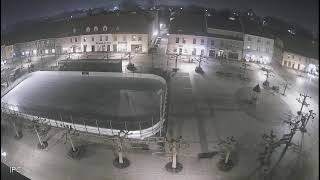
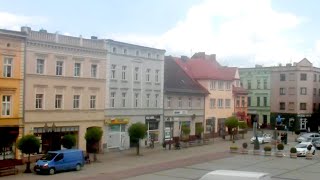
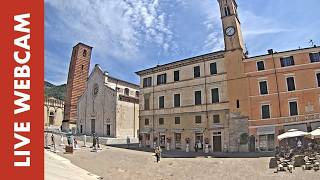
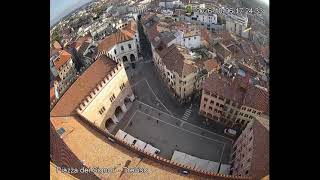
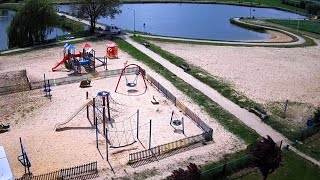
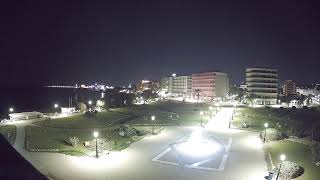
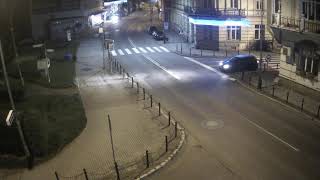
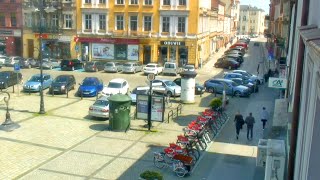
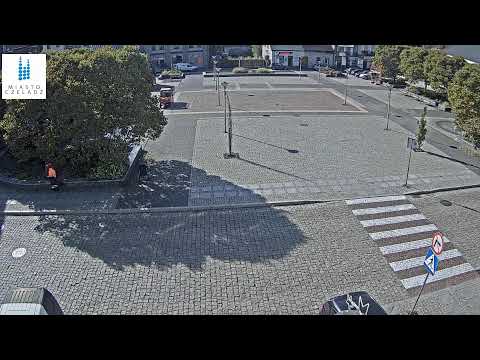
This live webcam shows Czeladź Old Town Square in Czeladź, Silesian Voivodeship, Poland. The camera overlooks the historic market square, where colorful townhouses surround the open plaza and the traditional town hall anchors the scene. Paved walkways, small architectural details, and everyday pedestrian activity reflect the calm rhythm of this historic town center. The view highlights the character of Czeladź’s old town, offering a real-time look at the atmosphere of this location.
Czeladź, Silesian Voivodeship, Poland
 PL
PLCzeladź is a town located in the Silesian Voivodeship of southern Poland, situated within the historic region of Zagłębie Dąbrowskie. It lies on the Brynica River, a tributary of the Vistula, in the Silesian Highlands. The town serves as the oldest urban center in Zagłębie Dąbrowskie and is part of the larger Katowice urban area conurbation.
First mentioned in 1228, Czeladź was granted Magdeburg rights in 1262 and city status in 1262. It belonged to the Duchy of Siewierz from 1434 until 1790, when it became a free city under the Polish-Lithuanian Commonwealth. The town later fell under Russian control before regaining independence with Poland after World War I.
The town features a medieval center with a historic market square and defensive wall remains, alongside industrial heritage from its coal mining past. Notable landmarks include the Romanesque Revival Church of St. Stanislaus, the Saturn Museum in the neo-Classicistic Pod Filarami palace, and the Elektrownia Modern Art Gallery. The Piaski district contains historic miners' settlements.
Czeladź attracts visitors with its blend of old town architecture and industrial history, including workers' colonies and palaces connected to former mining companies. Key sites for exploration are Grabek Park, the largest municipal park, and the Saturn Palace complex. The town also preserves significant Jewish history through its former community sites and museums.
The population was 30,681 as of 2021, though another source cites 30,732 in December 2021. Historically an industrial mining hub, it now relies on transport and services. It lacks a railway station but is accessible via national roads DK86 and DK94, with connections to Katowice Airport and public transport networks.
 The EARF Engine