









Kościuszki Street
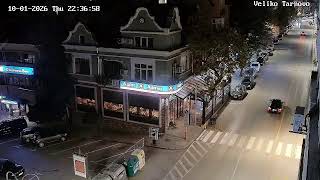
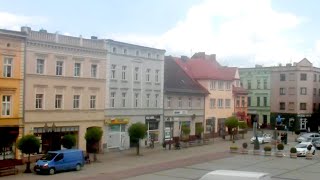
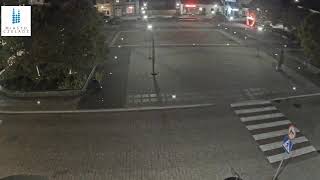
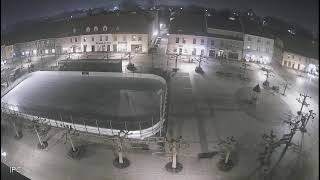
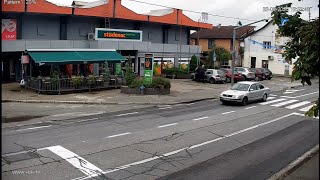
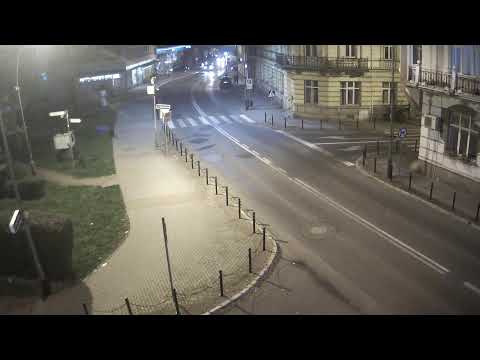
This live stream provides a view along Kościuszki Street in central Sanok, Podkarpackie, Poland. The camera overlooks one of the town's central streets, with passing vehicles, pedestrians, shops and the historic buildings lining the roadway visible in the scene. Kościuszki Street is part of Sanok's central urban area, where traditional townhouses and commercial buildings sit alongside modern everyday activity. The live view captures the steady movement through the street and the distinctive architecture of this southeastern Polish town.
Sanok, Podkarpackie Voivodeship, Poland
 PL
PL- Sanok
- Królewskie Wolne Miasto Sanok
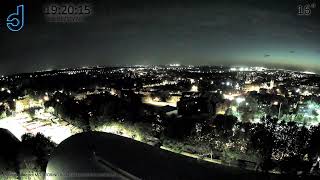
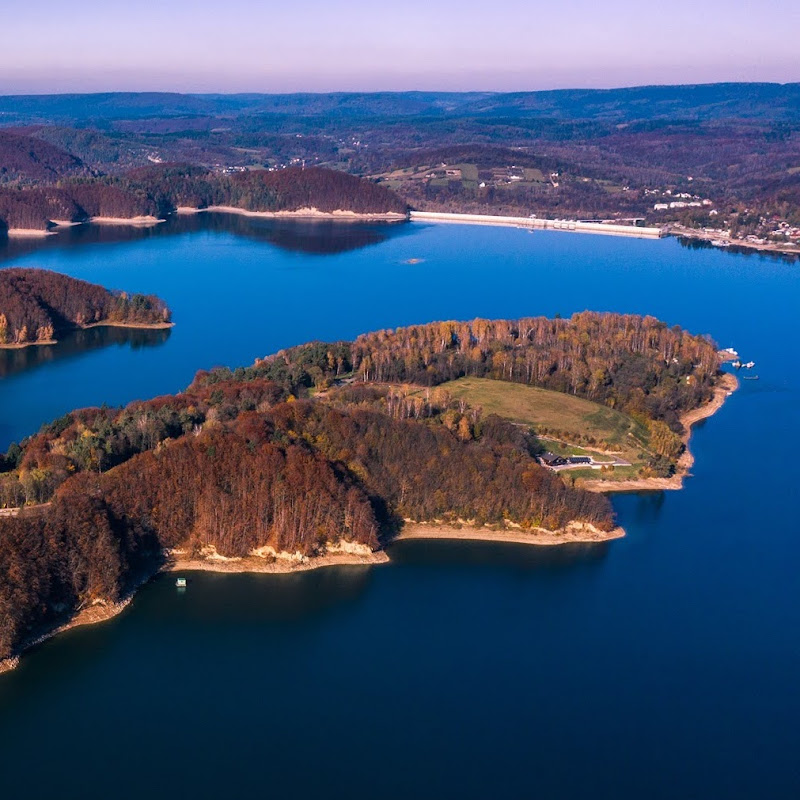
Sanok is a historic city in southeastern Poland, located in the Podkarpackie Voivodeship along the San River and at the northern edge of the Carpathian Mountains. The city is surrounded by wooded hills, river valleys and the foothills of the Bieszczady and Beskid mountain regions, giving it a landscape that transitions between the agricultural lowlands of southeastern Poland and the more rugged terrain of the Carpathians. Sanok serves as an important regional center for the surrounding San Valley and southeastern Podkarpackie countryside.
The San River is a defining feature of the city and its surroundings, flowing through the valley before continuing north toward the Vistula. Sanok's elevated districts and surrounding hills provide views across the river valley and the forested landscapes beyond the city. The nearby countryside contains extensive woodland, fields and small settlements, with the changing terrain creating a distinctive landscape compared with the flatter areas farther north in the voivodeship.
Sanok has a long and varied history, with origins dating back many centuries and a strategic position along routes connecting Poland with the Carpathian region. The historic center contains traditional buildings, churches and remnants of the city's earlier development. Sanok Castle, situated above the San River, is one of its most prominent landmarks and houses the Historical Museum, which is particularly known for its collection of works by the Polish painter Zdzisław Beksiński, who was born in the city.
The city is also an important center for the cultural heritage of southeastern Poland and the Carpathian region. The Museum of Folk Architecture in Sanok preserves traditional wooden buildings, churches, farmhouses and other structures representing the diverse communities that historically inhabited the region. Its extensive open-air grounds recreate historic village landscapes and provide a detailed view of traditional architecture and rural life from the Carpathian foothills.
Sanok's position near the Carpathians makes it a gateway to the surrounding mountain and forest landscapes. Outdoor activities in the wider area include hiking, cycling, fishing and exploring the valleys and woodland of southeastern Poland. The nearby Bieszczady Mountains are particularly known for their extensive forests, open mountain ridges and relatively remote character, while the San River valley provides a more settled landscape of farmland, villages and wooded hills.
Today, Sanok combines its historic urban center with the character of a regional Polish city surrounded by mountain foothills and river landscapes. Its castle, museums, wooden architecture, cultural heritage and position along the San River make it an important destination for exploring the history and landscapes of southeastern Poland, while its proximity to the Carpathians provides access to some of the region's most distinctive natural scenery.
 The EARF Engine