









Maspalomas Dunes
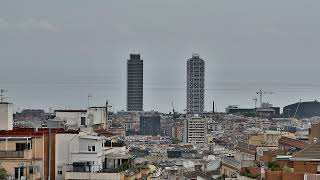
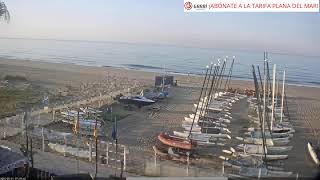
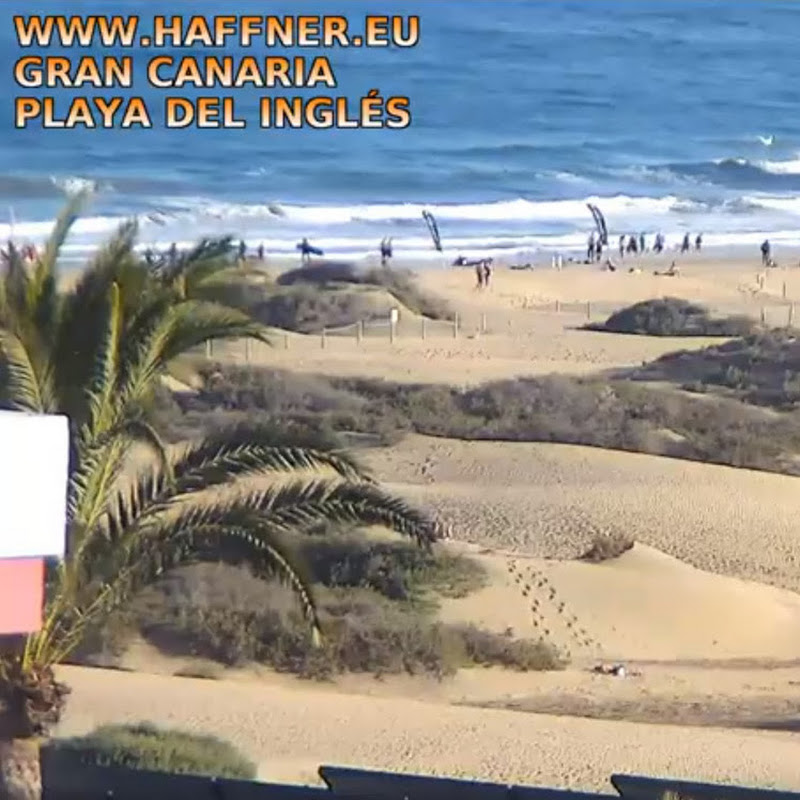
This live stream shows the Maspalomas Dunes looking toward Playa del Inglés on the south coast of the Spanish island of Gran Canaria. The Maspalomas Dunes form part of a unique 400-hectare protected nature reserve, featuring vast golden sand dunes, native flora, and coastal wildlife shaped by wind and sea. From this vantage point, viewers can watch the shifting dunes, changing light, and the contrast between the natural desert landscape and the nearby Atlantic Ocean, offering a striking glimpse of one of the Canary Islands’ most iconic natural landmarks.
Las Palmas, Spain
 ES
ES- Las Palmas de Gran Canaria
- Las Palmas / Лас Палмас
Las Palmas, officially Las Palmas de Gran Canaria, serves as the capital and largest city within the autonomous community of the Canary Islands in Spain. Situated on the northeastern part of the island of Gran Canaria, it lies approximately 150 kilometers west of the African coast in the Atlantic Ocean. As a primary administrative hub, it hosts the Canarian Ministry of Presidency, which shares its term with Santa Cruz de Tenerife, along with half of the ministries and boards of the Canarian government. The city also houses the High Court of Justice of the Canary Islands, underscoring its significant political role within the archipelago.
The city was founded by Juan Rejón on June 24, 1478, initially named Real de Las Palmas following a five-year conflict with local aboriginal populations. It served as the de facto capital of the Canary Islands until the seventeenth century, holding honorary status thereafter. Historical developments include the transfer of the diocese in 1485 and Christopher Columbus anchoring there in 1492 for repairs. The city faced attacks from Francis Drake in 1595 and Dutch raiders in 1599, while the construction of Puerto de la Luz in 1883 modernized its economy and attracted foreign workers during the Suez Crisis.
Las Palmas is divided into five administrative districts, including Vegueta, the historic old town, and Centro, which features Art Nouveau architecture. The city is defined by its urban beaches, with Playa de Las Canteras being the largest and most popular, sheltered by a natural coral sandstone barrier. Other notable areas include Playa de Las Alcaravaneras for sports, Playa de la Laja for surfing, and Playa del Confital, known for its volcanic terrain and professional surfing events. The city lacks a single center but offers diverse neighborhoods like Ciudad Jardin and the residential Ciudad Alta.
The city combines historical attractions with vibrant cultural life, drawing visitors to sites like the Colón House museum in Vegueta and the Alfredo Kraus auditorium. It is famous for its urban beaches and festivals, including the carnival held at Catalina Park near the port. While it was the main tourist center until the late 1960s, it now competes with southern coastal resorts by offering unique historical depth. The area supports various sports activities, from sailing in Alcaravaneras to beach volleyball, and hosts international events at the Feria Internacional de Canarias.
The population is recorded as 381,868 as of 2025, reflecting its status as the ninth-largest city in Spain. Las Palmas experiences a desert climate with tropical influences, maintaining an average annual temperature of 21.2 degrees Celsius and warm winters. The economy benefits from its seaport and tourism, with access facilitated by cruise ships arriving at the port. The mild weather allows for year-round outdoor activities, making it a consistent destination for those seeking warm temperatures and coastal recreation throughout the year.
 The EARF Engine