Tenerife North Airport
LanzaroteWebcam
118K subscribers
San Cristóbal de La Laguna, Santa Cruz de Tenerife, Spain

San Cristóbal de La Laguna, Santa Cruz de Tenerife, Spain
 ES
ES- La Laguna
- La Laguna, Spain
San Cristóbal de La Laguna, commonly known as La Laguna, is a city and municipality located in the northern part of the island of Tenerife within the Province of Santa Cruz de Tenerife, Spain. Situated on the Canary Islands, it lies alongside Santa Cruz de Tenerife, with the two municipalities forming a single large urban center. Although it was once the capital of the Canary Islands, it now serves as the cultural capital of the archipelago and is the third-most populous city in the region.
The city was founded between 1496 and 1497 by Alonso Fernández de Lugo following the Battle of Aguere in 1494. Originally named Villa de San Cristóbal de La Gran Laguna, it became the capital of Tenerife and later all the Canary Islands. Its urban plan served as a blueprint for Spanish colonial cities in the Americas. In 1723, the capital was transferred to Santa Cruz de Tenerife due to economic decline, but the historic center was declared a UNESCO World Heritage Site in 1999.
The city features a well-preserved old town with colonial-style buildings, wooden balconies, and tree-lined courtyards. Notable landmarks include the Cathedral of La Laguna, the Iglesia de la Concepción, and the Real Santuario del Santísimo Cristo de La Laguna. The area also contains the University of La Laguna, founded in 1701, and several palaces such as Salazar Palace and Nava Palace. Tunnels and underground vaults beneath iconic buildings indicate the city was raised by over one meter since its founding.
La Laguna is celebrated for its rich cultural heritage, including the incorrupt body of Sor María de Jesús and the venerated image of Christ. The city hosts the Romería Regional de San Benito Abad in July, a major festival involving traditional costumes and folk music. It is also home to the Museum of the History of Tenerife, located in the Palacio Lercaro, which is associated with the ghost of Catalina Lercaro. The city has historically been a center for artistic movements and religious traditions.
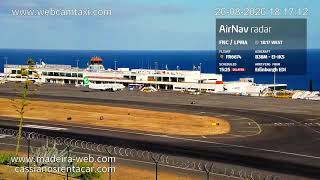
The municipality has a population of 161,108 as of 2025. Its economy is business-oriented, while agriculture dominates the northeastern portion. The climate is Mediterranean (Köppen: Csb), characterized by higher rainfall and humidity than other Canary Islands cities due to prevailing northeasterly winds. Temperatures remain above frost year-round thanks to maritime and subtropical influences. The city is accessible via the nearby Tenerife North Airport at Los Rodeos.
 The EARF Engine