

Bridport, England, United Kingdom
 GB
GB- Bridport, Dorset
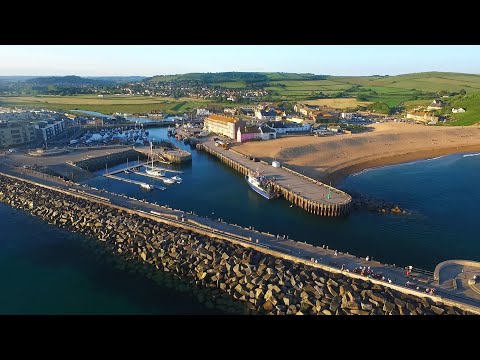
Bridport is a market town and civil parish located in Dorset, England, within the United Kingdom. It sits approximately one and a half miles inland from the English Channel near West Bay, positioned between the River Brit and its tributary the Asker. The town serves as a significant local hub in South West England, functioning under the Dorset unitary authority for upper-level governance while maintaining its own town council.
The settlement has Saxon origins and was recorded in the Domesday Book as Brideport. It became one of Dorset's most important settlements during King Alfred's reign, featuring fortifications and a mint. The town received its first charter from Henry III in 1253 and later sent members to Parliament. Its name likely derives from an earlier burh called Brydian or the associated market town of Bredy.
The town features historic architecture, including the 18th-century Town Hall with its clock tower and the 13th-century St. Mary's parish church. Bridport Museum, dating to the 16th century, displays local geology and industrial history. The area includes neighborhoods like Allington and Skilling, while West Bay serves as a fishing harbour within the town boundary. The surrounding geology comprises Jurassic rocks and Quaternary deposits.
Bridport is renowned for its rope-making heritage, with King John ordering rope production in 1211. This industry influenced local phrases like "stabbed with a Bridport dagger." Today, the town boasts a vibrant arts scene with an arts centre, theatre, cinema, and museum. It is twinned with Saint-Vaast-la-Hougue, France, and features as Port Bredy in Thomas Hardy's novels.
The built-up area had a population of 12,295 at the 2021 census, while the town itself had 8,205 residents. The economy historically relied on textiles and rope, now supported by tourism and arts. Access is available via the A35 road and nearby train stations, with the historic railway line closed since 1975. The town offers regular markets and fossil-hunting opportunities along the Jurassic Coast World Heritage Site.
 The EARF Engine