Live stream unavailable
This camera is offline or temporarily unavailable. It may be under maintenance, having technical trouble, or it may have been removed by the provider. Listings are monitored continuously and this page updates when the stream returns.


White Stork Nest
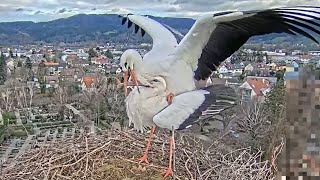
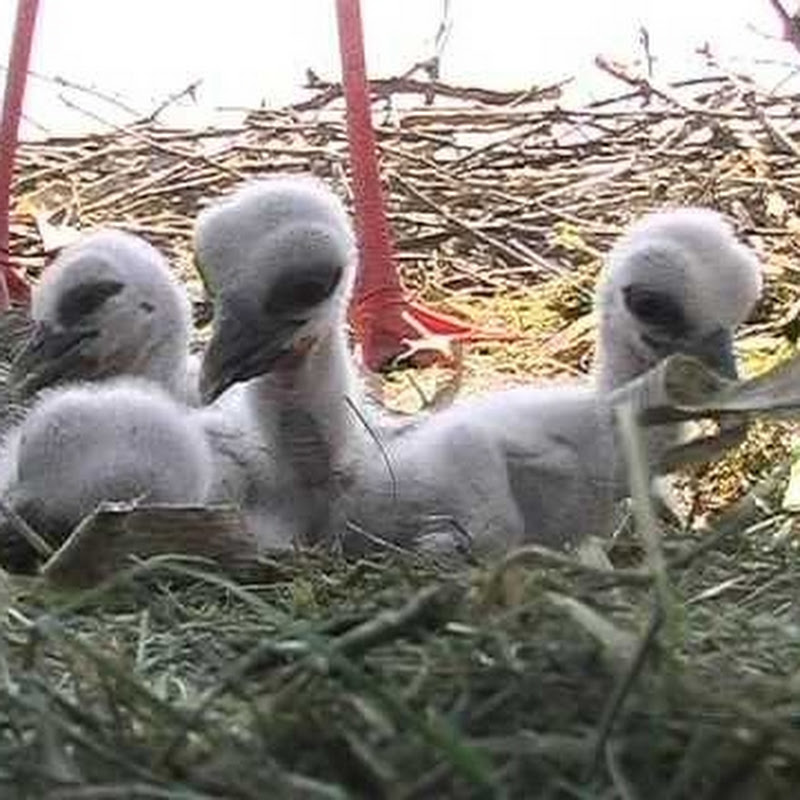
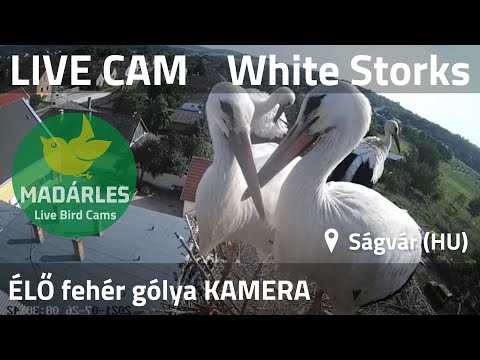
This live cam from the village of Ságvár in Hungary gives you a peaceful look into the daily life of a White Stork family. Perched high on a nesting pole in Somogy County, the storks can be seen tending to their nest, incubating eggs, and caring for their young in real-time. Surrounded by quiet countryside, this stream offers a rare, serene view into Hungary’s rural wildlife.
Ságvár, Somogy, Hungary
 HU
HUSágvár is a village situated within the Somogy county of Hungary. It occupies a specific geographic location defined by coordinates at 46.8371 north latitude and 18.1020 east longitude. As an administrative unit, it functions as a local settlement within the broader regional structure of the country. The place is historically recognized by its Latin name, Tricciana, which appears in older records and scholarly contexts regarding its identity.
The origins of the settlement are rooted in local legends and historical research. According to tradition, the name derives from a pasha called Ság who once possessed a castle in the area. Researchers suggest that Ság was likely a Kabar or Hungarian personal name belonging to the first owner. The etymology also incorporates the word ság, meaning hill or wooded heights in old Hungarian, while vár refers to traces of a Roman castle found in Ságvár.
The character of the village is defined by its historical layers and linguistic heritage. The presence of Roman castle traces indicates ancient occupation, while the later medieval period saw the establishment of the pasha's residence. The architecture and layout reflect this long history, though specific building details are not recorded in current sources. The name itself serves as a landmark of cultural memory, linking the physical landscape to its etymological roots.
Visitor appeal is largely tied to the village's historical narrative and legendary past. The story of pasha Ság and the Roman remains offer a unique glimpse into the region's deep history. While specific festivals or museums are not detailed in available records, the settlement provides a quiet environment for those interested in local legends and the evolution of Hungarian place names. The cultural significance lies primarily in its name and historical associations.
The practical profile of Ságvár includes a population of 1,966 as of 2025. This demographic data reflects the current size of the community within Somogy county. Economic activities and transport links are not explicitly described in the source material, leaving the focus on its status as a populated village. The climate and best time to visit remain unspecified, but the settlement remains an active part of the Hungarian administrative landscape.
 The EARF Engine