










Assabu Town
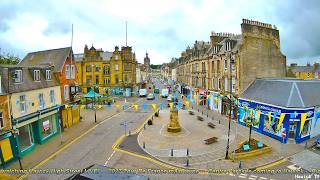
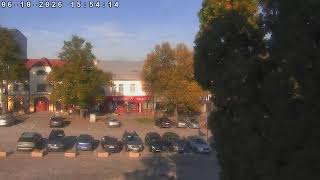
This live webcam overlooks the Honmachi intersection in Assabu Town (厚沢部町), located in Hiyama District, southern Hokkaido, Japan, capturing everyday life along National Route 227 as vehicles move through the quiet rural town center. From this vantage point, viewers can observe local traffic, changing weather, and the distinct seasonal shifts that define northern Japan, from heavy winter snowfall to clear summer days and green surroundings, offering a real time glimpse into daily life in this peaceful part of Hokkaido.
Assabu, Hokkaido, Japan
 JP
JP- Assabu, Hokkaidō
- 厚沢部町
Assabu is a small town situated in Hiyama Subprefecture within Hokkaido, Japan. Located on the Oshima Peninsula in southern Hokkaido near the Sea of Japan, it occupies a landlocked position comprising several valley basins encircled by forest-clad hills that open toward the west. The municipality serves as an administrative unit for this rural region, managing local governance and public services for its dispersed communities.
The area dates back to the Sengoku period when the Matsumae clan gained control of the Oshima Peninsula and first settled the town in 1678. Originally established as a forestry camp accessible from the sea, it evolved into an agricultural hub as farmers reclaimed land from swampy drainage basins. In 1869, it briefly fell under shogunate loyalists before returning to Matsumae control after the Meiji restoration, with its historic Tate castle destroyed during the conflict.
The town is defined by its natural landscape and recreational infrastructure, including the Assabu River and surrounding forests of Hiba and Goyoumatsu. Nearby peaks include Mt. Otobe and Mt. Taiko, which hosts a beginner ski-field and forest walks. The municipal area includes hamlets such as Kamisato, Uzura, and Tate, alongside districts like Hon-chō and Midori-machi, creating a diverse settlement pattern across the valley basins.
Cultural attractions feature three local onsen springs, a public swimming pool, and Park Golf facilities. The town is renowned for its May Queen potato, which serves as its mascot and is used to produce shōchū, wine, and croquettes. A famous annual festival in late July celebrates this crop with the creation of a massive potato croquette, drawing visitors to taste local sake, kuromame-cha tea, and regional cuisine.
The population was 3,701 as of 2020, having declined significantly due to agricultural reforms and youth migration. The economy relies on agriculture, forestry, dairy farming, and government employment. Accessible by a one-hour drive from Hakodate or a fifty-minute bus ride to Shin-Hakodate Hokuto Station, the town offers a quiet rural experience with limited high school options, requiring students to commute to Esashi or Hakodate.
 The EARF Engine