

Oudeschild, North Holland, Netherlands
 NL
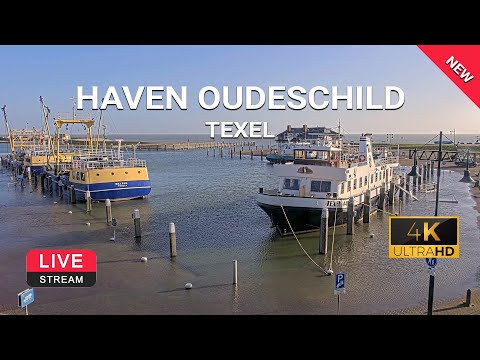
NLOudeschild is a village located in the Dutch province of North Holland within the Netherlands. It forms an integral part of the island municipality of Texel, situated geographically at the Wadden Sea dyke. The settlement lies approximately 12 kilometers northeast of the city of Den Helder, positioning it as a distinct coastal community on the western edge of the island.
The area holds significant historical importance dating back to the seventeenth century. During this period, ships belonging to the Dutch East India Company, which sailed from Amsterdam, would wait for favorable winds at the Rede van Texel, the sea area near Oudeschild. This maritime activity established the location's early connection to international trade and naval operations.
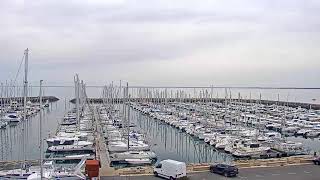
The village is defined by its role as the primary fishing harbour of the island. Key landmarks include the windmill Traanroeier, which marks the site of the Maritime and Beachcombers Museum. Nearby stands the Hoge Berg, a fifteen-meter-high hill known as the High Mountain, where a Russian cemetery commemorates Georgians who died during their uprising in 1945.
Visitor appeal centers on the Maritime and Beachcombers Museum, which exhibits a collection of objects found on the beaches of Texel. The presence of the windmill and the coastal dyke provides a scenic backdrop for exploring the maritime heritage. The site offers insights into the history of beachcombing and local seafaring traditions.
Oudeschild functions primarily as a fishing harbour, supporting the local economy through maritime activities. Access to the village is facilitated by its location on Texel, connected to the broader region via Den Helder. The climate is influenced by its coastal position on the Wadden Sea, making it a destination for those interested in maritime history and coastal landscapes.
 The EARF Engine