Live stream unavailable
This camera is offline or temporarily unavailable. It may be under maintenance, having technical trouble, or it may have been removed by the provider. Listings are monitored continuously and this page updates when the stream returns.
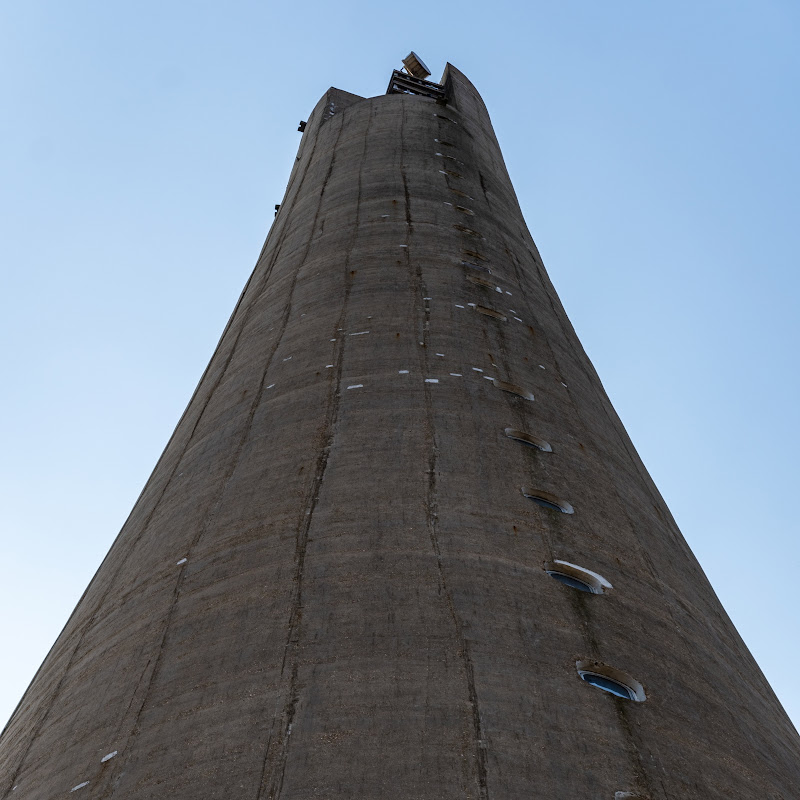

Northampton, England, United Kingdom
 GB
GB- Northampton, England
- Northampton, United Kingdom
- Northampton, Northamptonshire
Northampton is a town and civil parish located in Northamptonshire, England, serving as the county town of the historic county. It functions as the administrative centre for the unitary authority of West Northamptonshire. Situated on the River Nene, the town lies approximately 60 miles north-west of London and 50 miles south-east of Birmingham. Its geographical position in the centre of England has historically made it a valuable strategic point for government and a convenient meeting place for political, social, ecclesiastical, and military events.
Archaeological evidence indicates settlement in the area dates back to the Bronze Age, with subsequent Roman and Anglo-Saxon presence. The town rose to national significance during the Middle Ages with the establishment of Northampton Castle, which served as an occasional royal residence and hosted numerous Parliaments of England. It was granted a town charter by Richard I in 1189, followed by the appointment of its first mayor by King John in 1215. The town also witnessed two medieval battles in 1264 and 1460, and later supported the Parliamentary Roundheads during the English Civil War.
The historic core was enclosed by medieval town walls built by Simon de Senlis, which covered about 245 acres. Notable heritage sites include the ruins of Northampton Castle, the Cluniac Priory of St Andrew's, and Delapré Abbey. The town features several surviving round churches, including The Church of the Holy Sepulchre, one of only four remaining in England. Archaeological sites also encompass a medieval Jewish cemetery and the Northampton Medieval Synagogue, reflecting the town's diverse historical population and architectural evolution over centuries.
Northampton's economy was historically driven by markets and fairs, with street names indicating past trades such as cloth, wool, and leather. The town became a significant centre for footwear and leather manufacture during the industrial development of the 18th and 19th centuries. While it unsuccessfully applied for city status in 1992, 2000, 2002, and 2022, its cultural landscape is defined by its medieval heritage and industrial history. The area retains significant historical interest through its preserved religious structures and archaeological remains from various eras.
The population of the overall urban area was recorded as 249,093 in the 2021 census, while the parish alone had 137,387 residents. Growth accelerated after Northampton was designated a New Town in 1968, continuing into the 21st century. Transport links include the Grand Union Canal and railways, which facilitated its expansion as a manufacturing hub. The town remains one of the largest in England, with its development shaped by both medieval foundations and modern administrative changes within West Northamptonshire.
 The EARF Engine