
Copacabana South
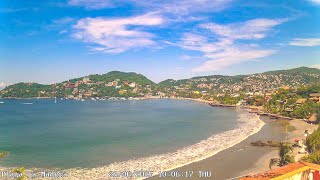
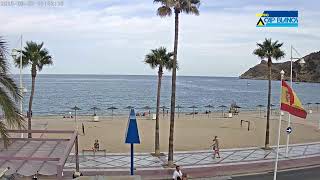
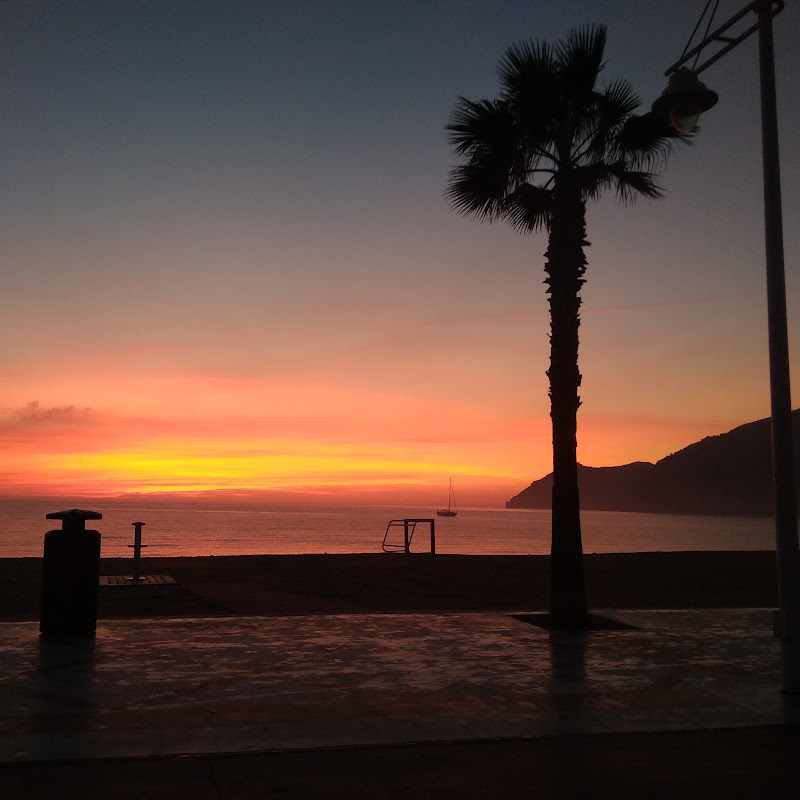
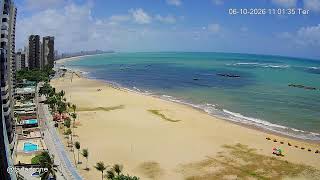
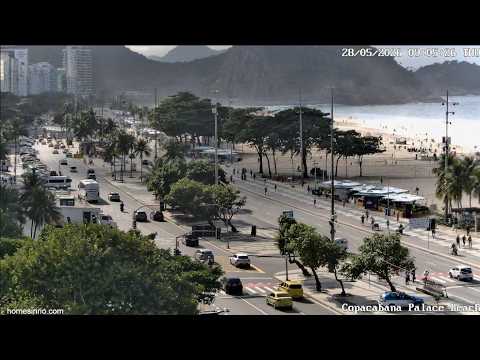
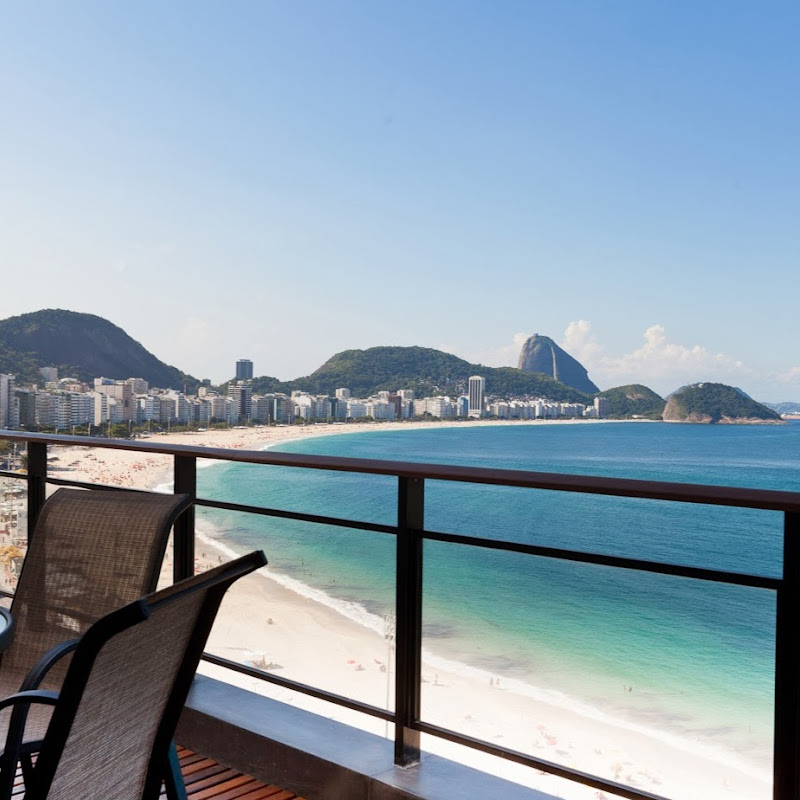
This live camera in Rio de Janeiro, Brazil, shows the southern stretch of Copacabana Beach, one of the most famous coastlines in the world. The view captures the sandy beachfront, Atlantic waves, and the vibrant atmosphere of the Rio waterfront, offering a real-time look at life along Brazil’s iconic shoreline.
Rio de Janeiro, Rio de Janeiro, Brazil
 BR
BR- São Sebastião do Rio de Janeiro
- Rio de Janeiro city
- Rio de Janeiro, Brazil
Rio de Janeiro serves as the capital of the Brazilian state of Rio de Janeiro. Situated on the South Atlantic coast, it is the second-most-populous city in Brazil after São Paulo. The urban area is defined by its dramatic geography, featuring a unique harbor entry from the ocean surrounded by Sugarloaf Mountain, Corcovado Peak, and the Tijuca hills.
Founded on 1 March 1565 by Portuguese forces led by Estácio de Sá, the settlement was originally named São Sebastião do Rio de Janeiro. It became the capital of the State of Brazil in 1763 and later the seat of the Portuguese Royal Court in 1808. The city remained the national capital until 1960, when the government moved to Brasília.
The city is renowned for its natural settings and iconic landmarks, including the Christ the Redeemer statue atop Corcovado and the Maracanã Stadium. Its South Zone contains world-famous beaches such as Copacabana, Ipanema, and Leblon within a compact area. The Carioca Landscapes between the Mountain and the Sea have been inscribed on the UNESCO World Heritage list.
Rio de Janeiro is one of the most visited cities in the Southern Hemisphere, known for its carnival, samba, and bossa nova traditions. It hosted the 2016 Summer Olympics and Paralympics, becoming the first South American city to do so. The city also hosted major football events, including the 2014 FIFA World Cup final.
The city has a population of 6,730,729 as of 2025. It possesses the second-largest municipal GDP in Brazil and is home to headquarters for major corporations like Petrobras and Vale. Rio de Janeiro acts as a significant center for research and development, accounting for 17 percent of national scientific output.
 The EARF Engine