









Montenegro - Panorâmico
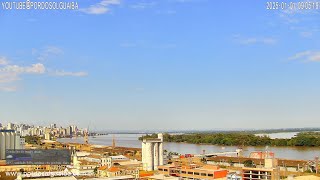
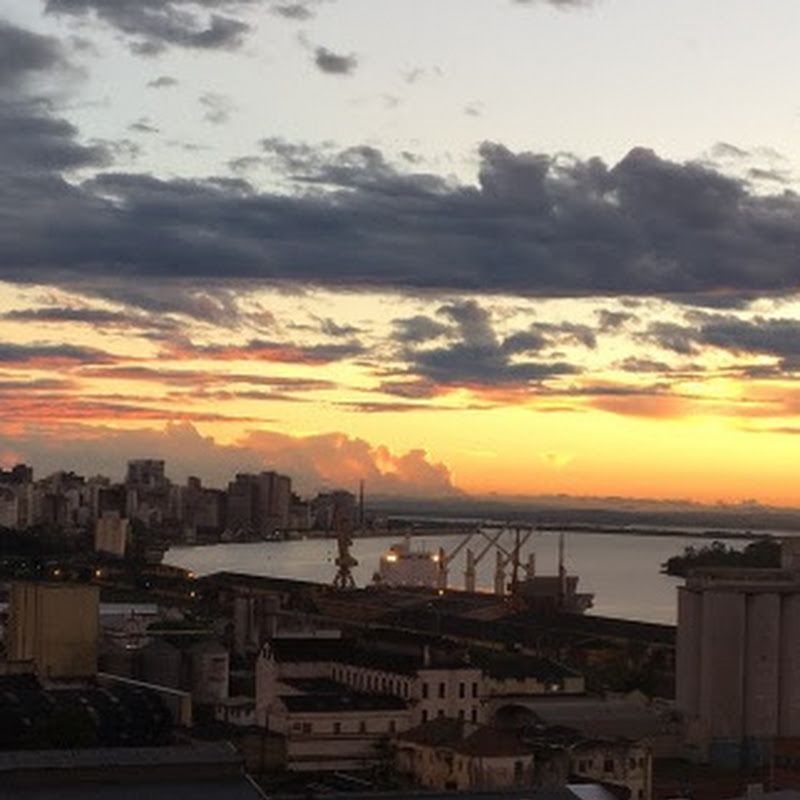
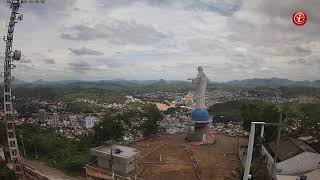
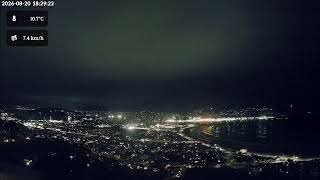
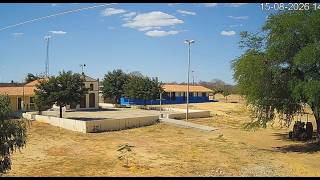
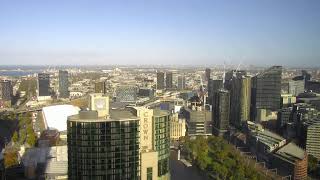
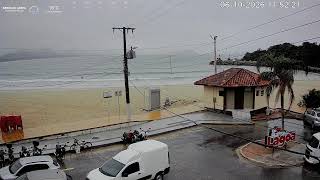
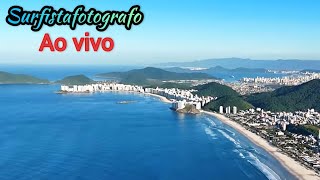
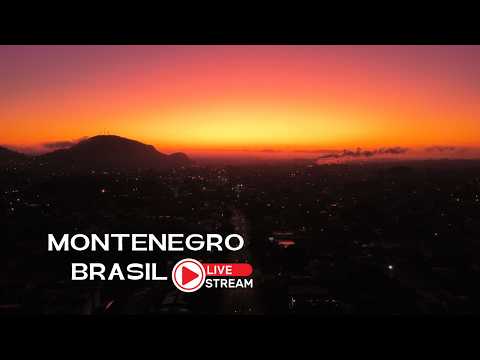
This live stream provides a panoramic view of Montenegro, a city in the state of Rio Grande do Sul, Brazil. Situated along the Caí River, Montenegro is known for its lush landscapes and serves as a gateway to the Porto Alegre metropolitan area. The webcam captures the city's skyline, offering glimpses of its urban charm and surrounding natural beauty.
Montenegro, Rio Grande do Sul, Brazil
 BR
BR- Montenegro (Rio Grande do Sul)
Montenegro is a municipality located in the state of Rio Grande do Sul within Brazil. Situated in the southern region of the country, it functions as an administrative center for its local area. The town lies at coordinates -29.6889, -51.4608, anchoring the community within the broader geographical context of the Brazilian state.
The settlement was established in 1847 with the primary purpose of housing German immigrants from the Hunsrück region of southwest Germany. This origin shaped its early cultural landscape, where the local language remained Riograndenser Hunsrückisch for over a century. Portuguese eventually prevailed following the Nationalization campaign imposed by President Getúlio Vargas in the 1940s.
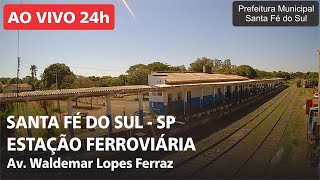
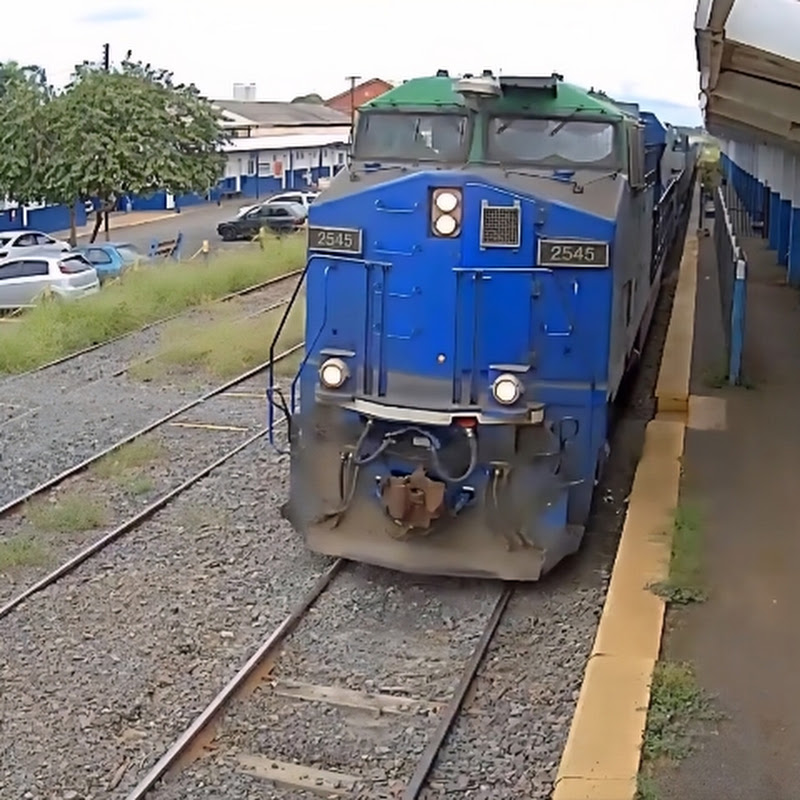
Economic development accelerated significantly after 1909 when a railway line connected Montenegro to São Leopoldo, benefiting neighboring municipalities like Maratá and Salvador do Sul. The rail network was extended in 1932 and 1950 before closing in the late 1960s. The former station was later converted into a Cultural Center, preserving a piece of this industrial heritage.
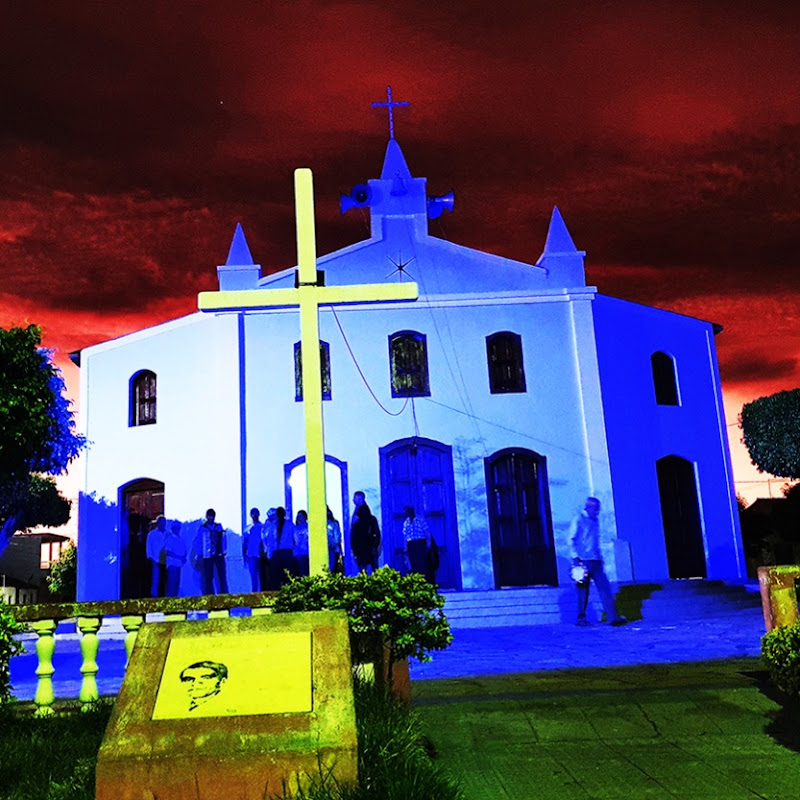
The area is notable for producing Cardinal Cláudio Hummes, a candidate for the papacy in April 2005. Religious significance grew on July 2, 2008, when Pope Benedict XVI erected the Roman Catholic Diocese of Montenegro. This new diocese became a suffragan see within the province of the metropolitan archdiocese of Porto Alegre.
As of 2022, the municipality had 64,322 inhabitants, though verified data indicates a population of 66,352 as of 2025. The economy benefited historically from railway connectivity, which spurred growth in the region. While specific climate details are not provided for this location, the town remains a distinct administrative entity within Rio Grande do Sul.
 The EARF Engine